
Forty, forty-one, forty-two, forty-three.
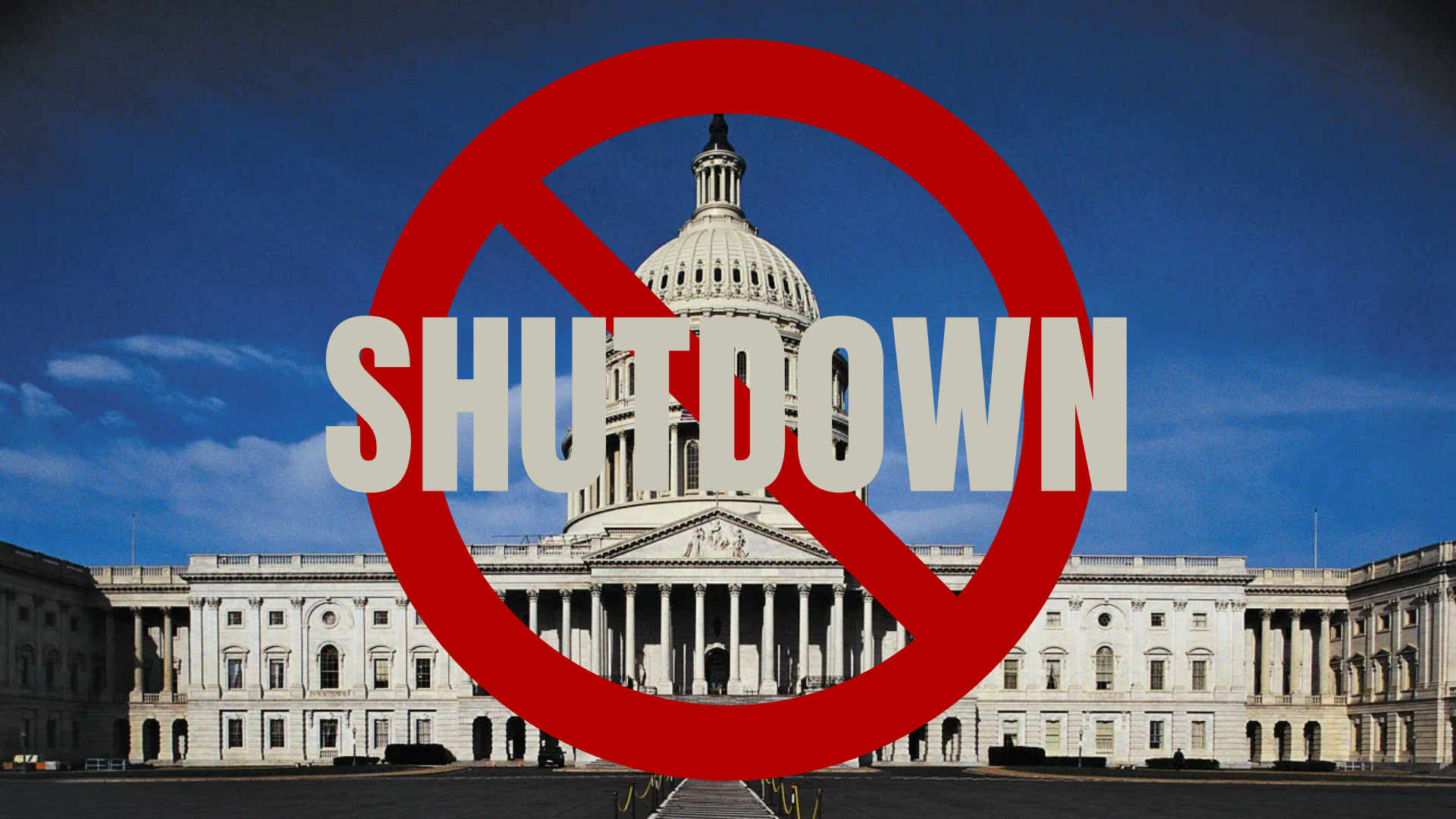
The House lay abandoned, the Senate in a stalemate, the president taking away food stamps a month before the holiday season; that was the state of the government, 43 days into what became the longest government shutdown in U.S. history.
On Wednesday, Oct. 1, for the first time since 2018, the U.S. government shut down after the Senate — needing a 60 percent majority — was unable to pass an extension of the federal budget.
Democrats refused to pass any version of a federal budget bill without extending tax credits that would make health insurance cheaper for millions of Americans and reversing President Donald Trump’s cuts to Medicaid, preventing the Republican-led Senate from reaching a bipartisan 60 percent majority that would allow the federal budget to pass.
The previous longest government shutdown was 34 days, under Trump’s first term, concerning the Mexican border wall. The 2025 shutdown swiftly approached and cleared that milestone, ending Nov. 12, 2025, with the passing of a co-led Democratic and Republican bill.
How Does a Government Shut Down?
A government shutdown occurs when Congress — the branch of government in charge of distributing money — is unable to pass funding for the agencies under its oversight. These include, but are not limited to:
- The Library of Congress and National Archives
- Federal Aviation Association (FAA)
- Central Intelligence Agency (CIA)
- All six branches of military
- Federal Bureau of Investigation (FBI)
- National Aeronautics and Space Administration (NASA)
- Transportation Security Administration (TSA)
For the agencies to receive payment, 12 funding — or appropriations — bills must be passed and signed by Oct. 1, the start of the fiscal year, which allows the government to stay open. If the date passes without the passage of the appropriations bills, then the agencies without funding are effectively shut down.
In the case of this shutdown, none of the 12 appropriations bills passed the Senate, leaving all the agencies without funding, and the government shut down.
For a revised bill to pass, it has to go through a number of hoops before reaching the Oval Office. First, the House has to edit and pass the bill. From the House, it then goes to the Senate, where the bill needs a 60 percent majority to pass; only then does the bill make its way to the president to be officially signed into law.
Impacts of the Shutdown
Until the government reopened, much of the nation was at a standstill.
On Oct. 24, the Trump administration announced that it would begin withholding funds to the Supplemental Nutrition Assistance Program (SNAP) at the start of November. SNAP — which funds the food stamps program — costs about $8 million a month. The administration refused to tap into the reserves, totaling around $5 million, to provide even partial funding, only months before the holiday season.
The lack of government funds also affected the beginning of a busy travel season. Air traffic controllers — a position already short-staffed — were not offered paychecks during the shutdown; as a result, many refused to work. This led to cancellations and delays across the nation, and the FAA announced that flights would be cut to 40 major airports by 10 percent until the shutdown was resolved. When the shutdown ended, the flight cuts were frozen at 6 percent, where they plan to remain.
For now, the government remains open, though it’s an unstable peace — a carefully crafted tower of proposals and bills that threatens to fall once again.







Comments are closed.