
Before settling into her new office in Warren Hall, Alicia Slater is already concentrating on one thing: students.
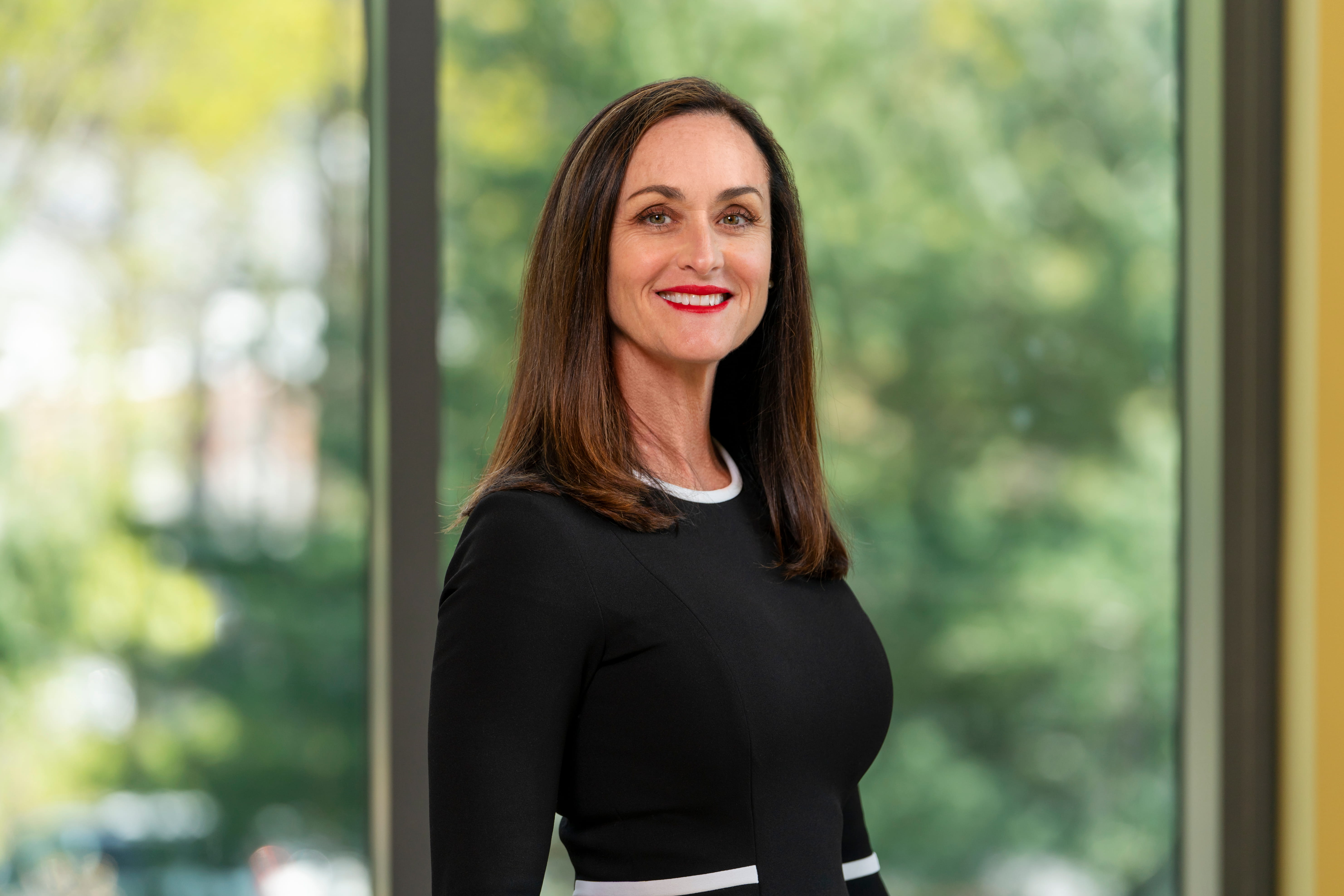
“I would hope that students would think that there was somebody sitting in that little building who really loves students and who cares deeply about them and wants them to be successful,” Slater said. “No matter how hard the job gets, that’s the thing that’ll get me up out of bed every single day.”
Slater, who was recently named vice president for academic affairs and provost at Rollins College, brings more than two decades of experience in higher education leadership to the role. According to a Rollins College news release announcing her appointment, she previously served in senior academic leadership roles at Stetson University and Marist University, both private institutions with strong liberal arts programs.
That background, she said, shaped the kind of leader she wants to be at Rollins.
Stetson and Marist, though different in structure and location, share a commitment to undergraduate education.
“They are both strongly focused on undergraduate education,” Slater said. “They’ve instilled in me appreciation for the importance of small class sizes and a highly relational approach to education.”
At Rollins, Slater said she sees those same values reflected in the college’s liberal arts model, particularly in the integration of curricular and co-curricular education. She cited the Gateways program as an example of how collaborative teaching connects with hands-on learning experiences such as museum exhibitions, undergraduate research, student journalism, and theater production.
“Rollins is a really strong institution already and is doing a tremendous amount for an institution of its size,” Slater said. “I’m not sure the answer for Rollins is to do more.”
Her path to leadership is informed by her own time in the classroom. For nearly 20 years, Slater was a faculty member and said she has “never forgotten what it’s like” to teach.
She recalled the first provost she worked with at Stetson, who implemented changes that improved faculty workload and support for career advancement. That experience shaped Slater’s belief that academic leadership should support professional growth.
“I want to create that environment for the faculty that I work with,” she said. “Their work is the heart and soul of the institution.”
Slater described herself as analytical and evidence-based, qualities she attributes to her training as a scientist. When making major academic decisions, she examines benchmarks against peer institutions and seeks input from trusted advisers.
“Usually, the first person I have to convince is me,” Slater said.
Transparency guides Slaters’ leadership approach. She communicates early in the decision-making process so that, even in disagreement, people understand her reasoning. “Even if they don’t like the decision that we make, they’d know how I got there and why,” she said.
Rather than proposing major changes immediately, Slater emphasized learning and listening. She said innovation should be intentional and grounded in evidence, not driven by assumptions about what a college “should” be doing.
One area she said requires ongoing attention is the role of artificial intelligence in higher education. As AI technology becomes more common, Slater said institutions need to teach students how to use it responsibly while continuing to develop independent critical-thinking skills.
“I think there’s always time to look at what your learning outcomes are and make sure that those sort of map against what employers need,” she said. “Certainly, we’re going to have to work around AI, and what is the place of liberal arts education with the advent of generative AI?”
Her commitment to higher education is personal. Watching her mother rely on her education to support her family after a divorce shaped Slater’s belief in its transformative power.
“I always wanted to be able to take care of myself,” Slater said. “But I love learning.”
Throughout her career, Slater said she has seen increased calls for accountability in higher education and greater representation of women in college leadership. During her own education, she had one female professor. Today, as more women hold senior leadership roles, Slater is among them.
“I am here working this job because I want to help them reach the goals that they came to Rollins to meet,” she said.










Comments are closed.