
The contemporary classroom in higher education is typically seen as a space for transparent communication, exploration, and the willingness to share ideas. But for many neurodivergent students, the same experience can be a labyrinth of deadlines and standardized teaching strategies. Colleges designed for a narrow range of learners are being directed to reassess what involvement truly is.
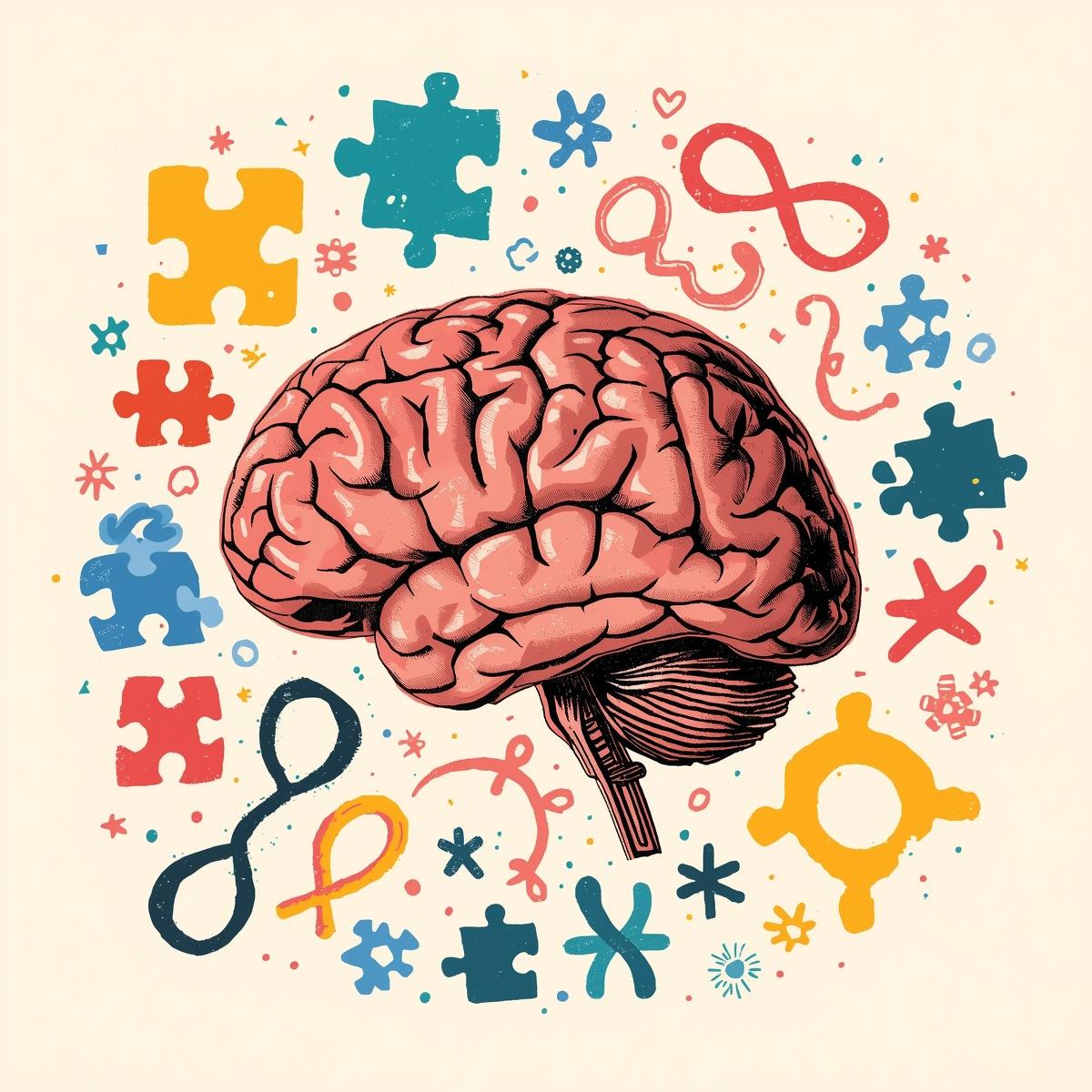
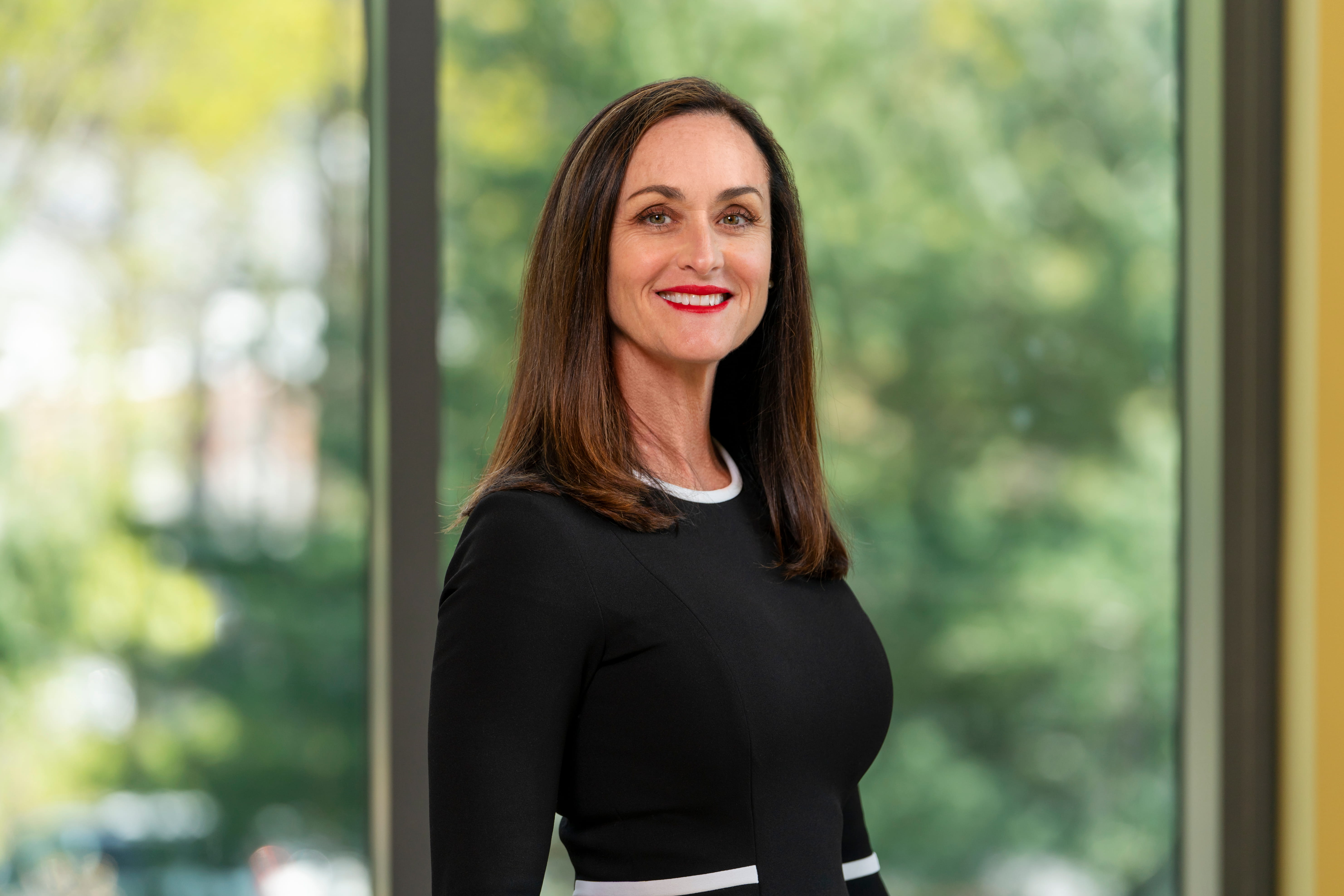
When talking about neurodivergent students, this refers to a wide range of learning differences such as autism spectrum disorder, dyslexia, and ADHD. Lucy Littler, Ph.D., interim director of the Endeavor Center for Faculty Development at Rollins College, said that understanding that range is the first step toward meaningful change.
“I don’t pretend to be an expert,” Littler said. “Who I am is someone who’s trying to learn a lot and pass that learning on to faculty.”
Since she stepped into her role in July 2025, Littler has focused on inclusive and accessible pedagogy, especially in the classroom. As institutions provide more accommodations through Accessibility Services, she said many faculty members receive little formal training in graduate school on how to teach a wide range of learners.
“Faculty are experts. They are scholars in their fields. But things like how to teach a variety of learners in the classroom are often things we are learning as we go. Most of us don’t get trained for that in graduate school,” said Littler.
Littler’s statement reflects a national conversation about higher education practices. According to The Hechinger Report, institutions are working to build what some educators call “embodied equity” — systems that consider neurological differences rather than requiring students to adapt to standardized norms.
One approach gaining momentum is Universal Design for Learning, or UDL. UDL encourages educators to design courses with flexibility from the start. This can include offering multiple ways to access material — such as audio and written text — and different ways to demonstrate understanding, such as alternative assignments.
“When we think about a universally designed course experience, we’re thinking about all the different learners in the room and how we can provide different pathways for them to succeed. Not just one right way to do things,” said Littler.
The Sheridan Center for Teaching and Learning at Brown University guides faculty to clarify assignments, outline objectives, and provide multiple ways to participate. Experts say these practices support not only neurodivergent students but all students in the classroom.
Still, progress can feel limited at the ground level.
“It’s a hard thing for everybody involved,” Littler said. “It’s a hard thing for students who really need and deserve those accommodations to access the learning experience. But it’s also really hard for faculty who are learning how to do this well.”
“A faculty member might be teaching a class of 24 students and half of them might have different accommodations. They’re trying to make their class accessible, but sometimes it can feel like you’re teaching four different classes at once,” said Littler.
Littler said that effective communication and a more efficient process would make a difference. “A truly inclusive campus would invest more time, energy, and resources into helping faculty understand universal design and how to apply it within their own disciplines,” she said.
To learn more about neurodivergent support and learning in higher education, you can visit Neurodiversity Hub, which provides evidence-based resources and practical tools for educators and students.






Comments are closed.