
I used to measure effort in seconds, quick rallies, explosive plays, constant resets. Now, I measure it in minutes of discomfort that don’t let up.
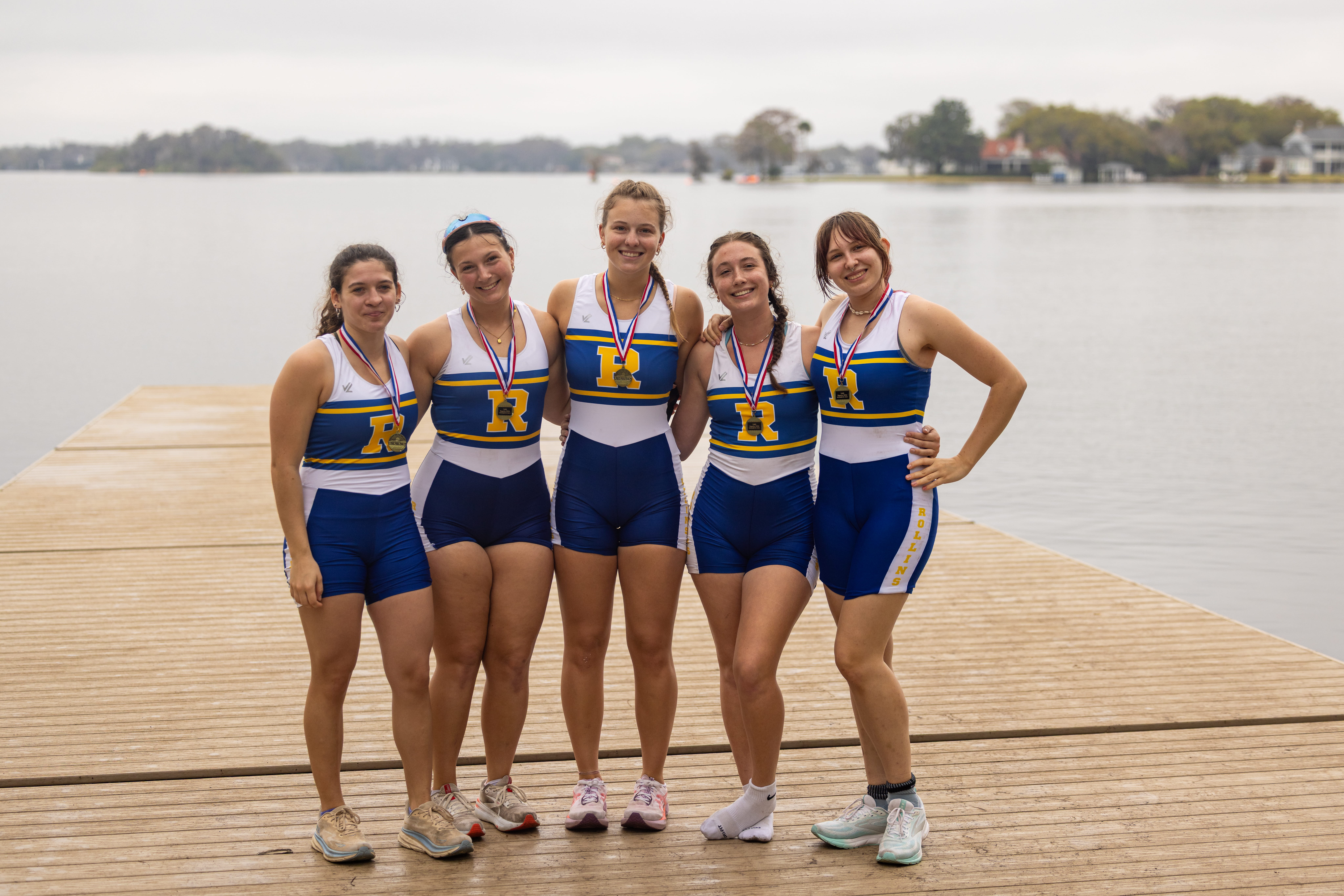
After years of playing volleyball, I made the switch to rowing in college. I quickly realized it wasn’t just a different sport; it was a completely different mindset.

Explosive to Endurance
Volleyball is a game of short bursts, rallies, and quick plays. It’s a sport where you know that after each point, you’ll have a quick second to reset mentally and physically.
Rowing is the exact opposite. It is a sustained effort that forces you to sit in discomfort. Once you get in the boat and the race begins, that’s it. There are no substitutions, no breaks, and no resets. Once you hear “Attention, row,” there’s no overthinking. You have to commit and pull as hard as you can.
That was the biggest shift that I didn’t expect: the mindset. Volleyball is strategic and fast-paced, constantly requiring decisions and adjustments. Rowing, on the other hand, is about learning the difference between real limits and discomfort, as well as pushing past what your mind thinks you can handle. For someone who tends to overthink, that doesn’t come naturally.
How do you shut your brain off? How do you quiet your mind when everything in you is telling you to stop? To willingly sit and push through discomfort?
Learning to sit in that discomfort has been one of the hardest parts of switching sports. Volleyball is built of quick wins with rallies, points, and momentum swings. Rowing is built on repetition. It’s the hour-long ergs, the 4:30 a.m. wakeups, and the monotony of doing the same motion over and over again.
There are still wins like personal records or race results, but there aren’t constant moments of excitement to carry you through. I had to learn how to embrace the grind and fall in love with discipline instead of excitement.
Don’t Compare Yourself to Others
While this shift in mindset was already challenging, comparison made it even harder.
In volleyball, comparing yourself to others feels natural, but in rowing, it feels unavoidable. I was a complete beginner, yet I was measuring myself against athletes who had been rowing for years.
Even when I hit my personal best, that feeling of accomplishment would disappear the moment I looked at the leaderboard. Suddenly, it didn’t feel like progress. It felt like I wasn’t “good enough” simply because I wasn’t where the other girls were.
That’s the part of rowing that I wasn’t used to; it is a sport led by numbers. Success is displayed in split seconds on a screen, and I had never been in a sport where failure and success could be measured so easily. It made it far too easy to let the numbers tell me I was failing.
I had to take a step back from the numbers and comparison and remind myself of something simple: I am a beginner. In my nineteen years of life, I have never rowed a single stroke until now. There is no fair way to compare a novice’s first season to someone else’s fourth.
You simply can’t measure a beginner’s progress using a varsity rower’s standard.
That doesn’t mean I’m not improving; it just means I’m on a different timeline. And once I started accepting that, everything shifted.
The phrase “comparison is the thief of joy” might sound a bit cliché, but it’s true. You will never feel satisfied with your progress if you’re constantly measuring it against someone else’s.
Instead, I’ve learned to focus on my own performance, my technique, and my growth. Because at the end of the day, a win is a win, no matter where your name falls on the leaderboard.
Celebrate the Small Wins
Letting go of comparison wasn’t an overnight fix. It took a conscious shift in how I viewed progress.
I’ve always been my own toughest critic. I’ve held myself to a high standard in everything, whether in the classroom or in my sport. While that drive pushed me forward, it also created a constant pressure that made me feel like I had little room for error.
When I started rowing, that mindset became exhausting. I’d finish workouts frustrated, asking myself the same questions: Why am I not better yet? Why am I not improving faster?
By the end of the fall semester (my first season of rowing), I wasn’t just physically drained. I was mentally and emotionally exhausted, too. I realized that constantly beating myself up wasn’t making me faster; it was just wearing me down, and something had to change.
The turning point came during a phone call with my mom. She gave me a simple piece of advice: celebrate the small wins. She reminded me that progress isn’t just about the final result; it’s about the little wins along the way.
Now, I look for those small wins everywhere. Finished a hard workout that I was dreading? That’s a win. Got the opportunity to row in a new boat? Celebrate that win. Even after a tough loss, reminding myself that I’m healthy enough to compete, that’s a win too.
As the season progressed, this new mindset changed everything, and I realized that those “small” wins aren’t small at all. Those wins are the ones that stack up over time and build consistency and confidence.
The season, and life, is far too short to spend it being miserable in the pursuit of perfection. Learning to celebrate the journey, one small win at a time, has made all the difference.
You are Always Going to be New at Something
Beyond the workouts and the numbers, rowing taught me a bigger lesson: there is value in being a beginner.
At some point, we are all going to encounter new sports, hobbies, or challenges that we’ve never faced before. We are going to be nervous, we are going to feel uncomfortable, and we are going to know nothing about the task at hand.
But that’s not something to fear; it is a beautiful thing that should be embraced.
When you are new at something, you have unlimited room to grow. There’s no pressure to be perfect, only the opportunity to improve.
Though this is a bit cliche, when you start at the bottom, the only way to go is up. Instead of fearing the starting point, we should embrace it. We should embrace knowing nothing, learning as we go, making mistakes, and having missteps.
Being a “novice” isn’t something to be embarrassed about; it’s a sign that you were brave enough to try. Brave enough to step outside of your comfort zone. Brave enough to take the first step, which is always the hardest one.
Learn from Others
Another big thing that rowing has taught me is the value of being coachable.
I’ve always tried to be receptive to feedback, but I’ve realized that truly learning from others is a skill. It requires you to admit that you don’t have all the answers.
During our 2k tests, I leaned into this more than ever. For those unfamiliar, a 2k test is a 2,000-meter all-out sprint on the erg (rowing machine). It’s one of the toughest tests in rowing and measures a rower’s power and mental strength.
Coming into the season, I had no clue what I was in for with a 2k test. I didn’t know how to pace myself or how to stay mentally composed when my lungs started to burn.
So instead of guessing, I asked. I talked to my teammates, listened to their race plans, and paid attention to their mental strategies. Did I use every single piece of advice I got? No. But by listening to what worked for others, I was able to build a strategy that worked for me. And I wouldn’t have gotten there if I wasn’t willing to learn.
If you are new at something, or even if you aren’t new, keep an open mind and learn from those around you. Learn from your coaches and teammates. Learn from social media or from others online. Be receptive and open-minded to the advice people have. Not every piece of advice is going to work for you, but you’ll never know which one might change your game until you’re willing to listen and learn.
So, whether you are stepping into a boat for the first time or trying something else that scares you, be proud of yourself. Embrace the discomfort, celebrate the small wins, learn from others, and just enjoy being new.
The opinions on this page do not necessarily reflect those of The Sandspur or Rollins College. Have any additional tips or opinions? Send us your response. We want to hear your voice.






Comments are closed.