
It was a warm evening in Winter Park as the sun hung low in the sky, just beginning to lay itself to rest for another evening. Stepping into the Rollins Museum of Art (RMA), excited chatter and inquisitive gazes filled the air as guests sipped Chardonnay and snacked on canapés.
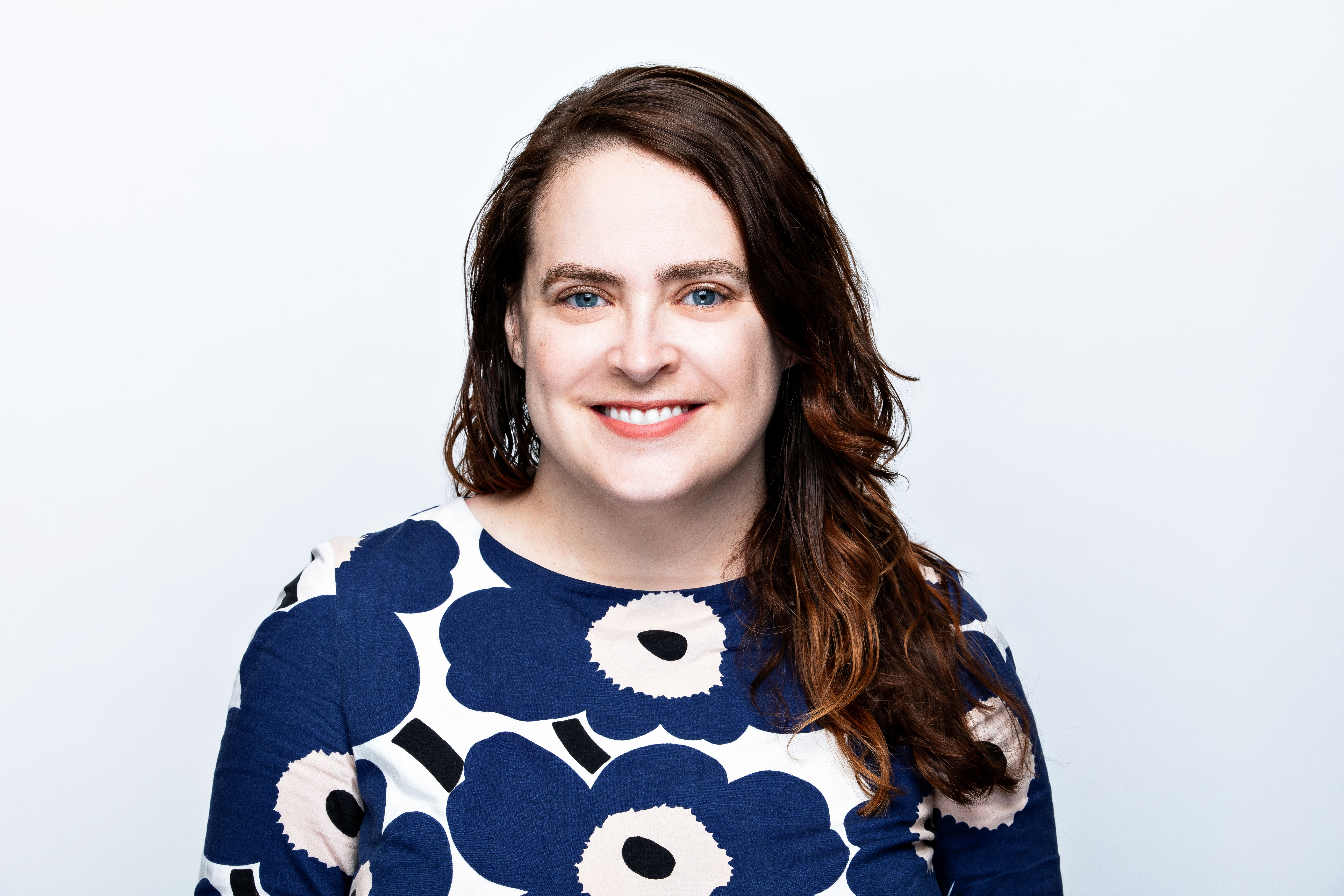
Sept. 12 was a big night at the museum. Not only were guests celebrating the preview of RMA’s new season, but they were also finally meeting renowned curator Leslie Anderson, the new Bruce A. Beal Executive Director of the Rollins Museum of Art.
Having just arrived in Winter Park earlier that day, Anderson gave a brief but excited greeting:
“This is a really sterling collection, and it’s an exciting time at the museum. It’s going to be transformed, and that’s with community support — the campus community, the Winter Park community, and I really look forward to talking with you, to learn from you what makes this place so special.”
Anderson officially began her tenure at RMA on Sept. 15. As she reflected on her new role, her office still held the charming clutter of a whirlwind first week, and a bright orchid gave life to a room seemingly designed for study rather than exhibition.
A Central Floridian native, as a child Anderson “had a lot of transformative experiences in museums.” When she was 11, she had the opportunity to travel to Spain with her mother for a summer while her mother took students to study the language. “Visiting museums in Barcelona opened my eyes to the world of art,” she said.
By the time she got to college, a passion for art found refuge in studying history. On a trip with her father to Denmark, she found a spark of inspiration while connecting with her heritage.
“My mother was from Cuba, and I was very connected to my Cuban upbringing and my Cuban family, but I knew less about my Danish background so that was a trip of discovery for me.”
Part of that discovery for Anderson was learning about artists that she was never exposed to in her studies. “When I was there… I learned about artists that I had never encountered before in any of the survey text or any of the upper-level division courses dedicated to European Art. I think that is really what motivated me to pursue Nordic art.”
That inspiration would push Anderson throughout her academic career, as she earned multiple graduate degrees and even was awarded a U.S. Fulbright Research Fellowship to study for two years at the University of Copenhagen. As she entered the curatorial world, her work took her across the United States, from the Utah Museum of Fine Arts to the National Nordic Museum in Seattle.
Throughout her career, Anderson has had the chance to develop a holistic view of her role as a curator.
“The experience of the museum should not be one that is passive — it should be an active learning experience,” she said. “The curator brings their subject matter expertise to bear in introducing questions, research, ideas, themes; inviting consideration with thoughtful juxtaposition of objects.”
Across the U.S., museums are facing a number of challenges. From attacks on national grantmaking agencies — including the Institute of Museum and Library Services (IMLS), the National Endowment for the Humanities (NEH), and the National Endowment for the Arts (NEA) that fund arts and humanities research — to attempts by the Trump Administration to change Smithsonian exhibits to align with President Trump’s cultural directives regarding issues like race, sexuality, and immigration.
Stepping into her role at this time, Anderson believes in the importance of museums as sites of learning and community.
“I think that our role is to foster understanding at any point in history… to raise questions and be a space for sometimes difficult conversations… I do think that museums are for everyone, and we should be as accessible as we possibly can,” she said. “In art there is an opportunity for intellectual stimulation and healing.”
Anderson is beginning her tenure at a time when RMA is undergoing significant changes. The museum received final conditional approval from the city of Winter Park for the construction of a new 31,000 sq. ft. facility back in April 2023 as a part of the Rollins Innovation Triangle. The development project includes the RMA facility, as well as the expanded Alfond Inn and the Institute for Management and Executive Leadership.
Coming in at such a momentous time would be stressful for most, but Anderson is ready to hit the ground running. Her past curatorial experiences, including her work transitioning museum programming at the National Nordic Museum from a local in-person community to an online national audience during the COVID-19 shutdowns, has prepared her to take on the task.
Anderson said that her experience has helped her in “thinking about the needs of a reinstallation, a move of the collection… and keeping people excited about the museum during these changes with outreach [and] innovative programming ideas.”
While construction of the new RMA facility is scheduled to take about two years, Anderson is already thinking about how she wants to get to work.
“What I’m looking at most closely is identifying where we can add value to the landscape of cultural organizations in Winter Park, in the Greater Orlando area, in central Florida, and then how to best serve the student body and faculty on campus,” she said.
She added, “I do think from my recent experience, particularly working with living artists, that we want to be a bit experimental and open-minded when it comes to the kind of exhibitions that we present. I’ve done some work recently with multisensory exhibitions… I’m not saying that’s a particular path that I want to pursue, but it’s something that I’m considering with the team here: more experiences. Thinking about this as a place of active learning as opposed to more passive experiences.”







Comments are closed.