
Twenty-six years ago, measles was declared eliminated in the United States. Yet last year, the country suffered 2,280 cases and is on track for a similar total this year. University campuses from South Carolina, a current hotspot, to the University of Wisconsin-Madison and even the University of Florida have been exposed to the highly contagious disease.
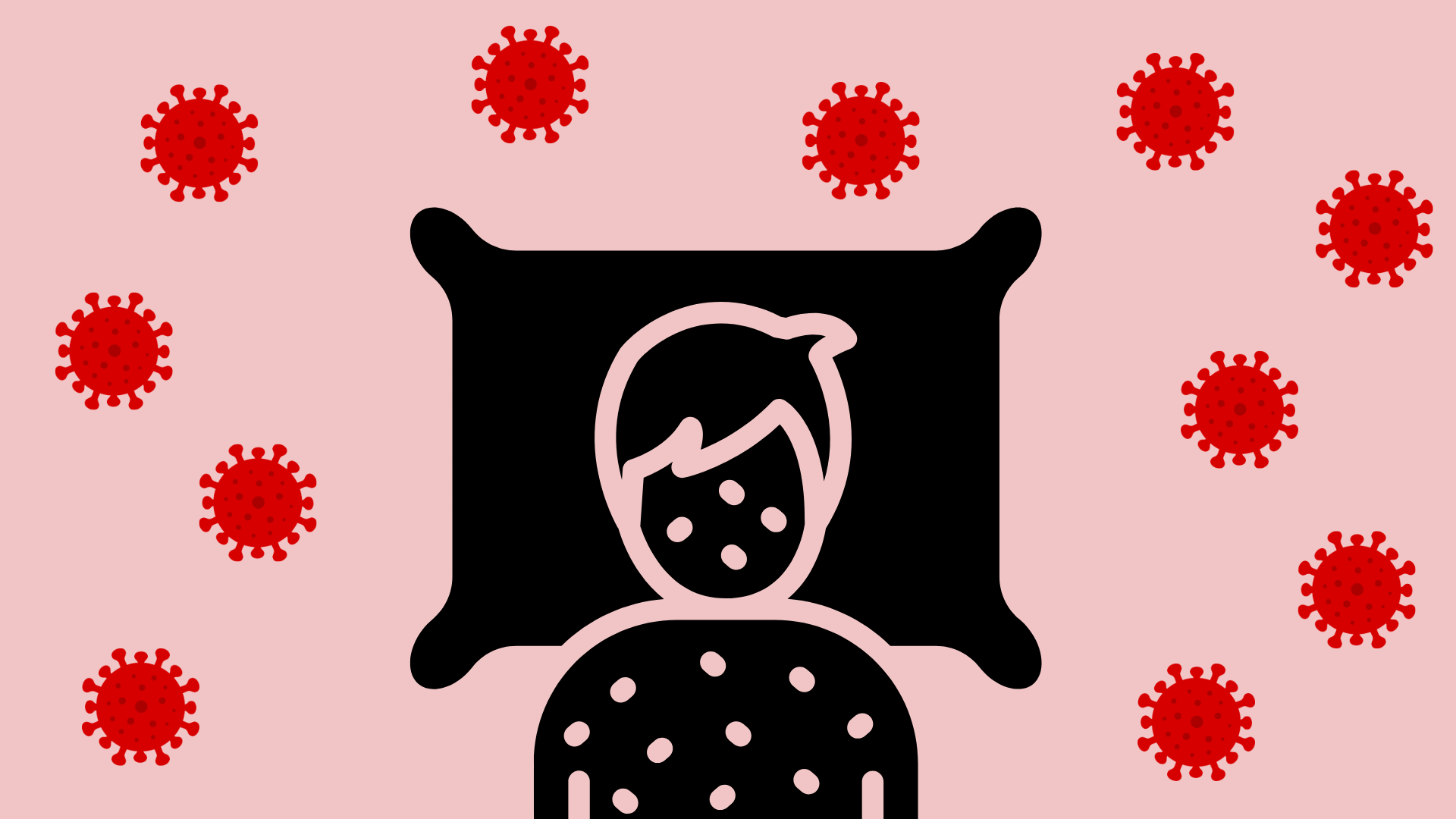
For students in Florida, the most concerning outbreak took place at Ave Maria University, a private Catholic university 25 miles northeast of Naples. As of mid-February, 57 cases have been reported at the university.
It was while cases were spreading on Ave Maria’s Florida campus that the university announced the development of a second campus at Mount Melleray Abbey, a recently closed monastery in Ireland. Ave Maria’s Irish campus is predicted to begin classes as soon as the fall semester of this year, a quick turnaround considering news of the new campus broke headlines in Irish newspapers The Journal and Waterford News & Star on Feb. 10. Five measles cases were identified at the university between Feb. 9 and 11, according to Fox 4 News.
Officially, both Ave Maria University and Rollins College require “all students” to receive and provide documentation for receipt of the MMR vaccine, which provides immunization for measles, mumps, and rubella. Likewise, both mandate hepatitis B and meningitis vaccines. As of February 2026, Ave Maria allows students to “submit a signed waiver declining receipt of vaccinations” without providing a specific reason to request an exemption. Most of the university’s student body has received the MMR vaccine and has been able to continue day-to-day activities throughout the outbreak due to immunity.
Rollins students should note that no recent measles cases in Orange County, Florida, have been reported, according to ArcGIS mapping published in late February. Orange County reported an 85 percent vaccination rate in 2025, while neighboring Osceola and Seminole counties reported 86 percent and 90 percent vaccination rates that year, respectively. Outbreaks nationwide have been concentrated in communities within specific counties. For example, Collier County, where Ave Maria is located, has reported 83 cases so far this year. The worst outbreak nationally has occurred in Spartanburg County, in the Appalachian foothills of South Carolina, where 254 cases have been reported in 2026 following 295 cases in 2025.
According to Professor Allen Johnson, associate professor in the Master of Public Health program at Rollins College, “one of the problems with measles is that it’s one of the most infectious diseases, and it stays in the air for long periods at a time.” If an unvaccinated person enters a room that was recently occupied by someone who was infected, the unvaccinated person may contract the disease even if the infected person has already left the room.
Johnson also said relatively high vaccination rates, such as those in Central Florida, do not tell the full story. Experts such as Johnson see “concentrated outbreaks in specific communities” in which, “even if a city is mostly vaccinated, a daycare, college, or religious community may have a much lower vaccination rate. This is because, within social organizations, people self-select the organizations they join. For example, parents who don’t want their kids receiving a vaccine select schools that have more relaxed vaccine policies.”
The possibility of measles spreading to Rollins cannot be ruled out, Johnson said. “Once someone contracts measles, it spreads remarkably quickly to the unvaccinated. As for Rollins, it depends on the vaccination rates here. You can look at Florida or the county, but what really matters is the vaccination rate within smaller units. You need a 95 percent vaccination rate to be sure that an outbreak won’t spread.”
According to a health bulletin from Rollins College’s Wellness Center, early signs of measles include a cough, a runny nose, red, watery eyes, and a high fever. Later symptoms include small white spots in the mouth and raised bumps. The Wellness Center said, “If you suspect you have measles, be sure to call ahead before coming into a clinic to prevent exposure of measles to others. Students can make an appointment for free to speak with a nurse practitioner at the Rollins Wellness Clinic regarding concerns of immunity to measles. Lab confirmation of immunity to measles (rubeola) is available after a consultation with a healthcare provider if immunity status is unknown.”
Rollins’ Wellness Center said the best step is a proactive approach focused on prevention. According to the wellness center, “The MMR vaccine — against measles, mumps, and rubella — is 97 percent effective in the prevention of measles.”
Rollins College and surrounding cities remain measles-free for now, but localized outbreaks across the country continue to put students and those who have not received the measles vaccine at risk of contracting the disease.








Comments are closed.