
“The Sunshine State” seems pretty fitting, doesn’t it? Adopted as Florida’s official nickname in 1970, it evokes a specific vision: white sand beaches, towering palms, the ultimate endless summer. Fitting, sure — for a travel brochure.
But if you really wanted to capture Florida’s uniqueness, something a little more precise might be “The Fire and Flood State.” Accurate as that is, though, I’m not sure it would go over well in the travel advertising meetings.
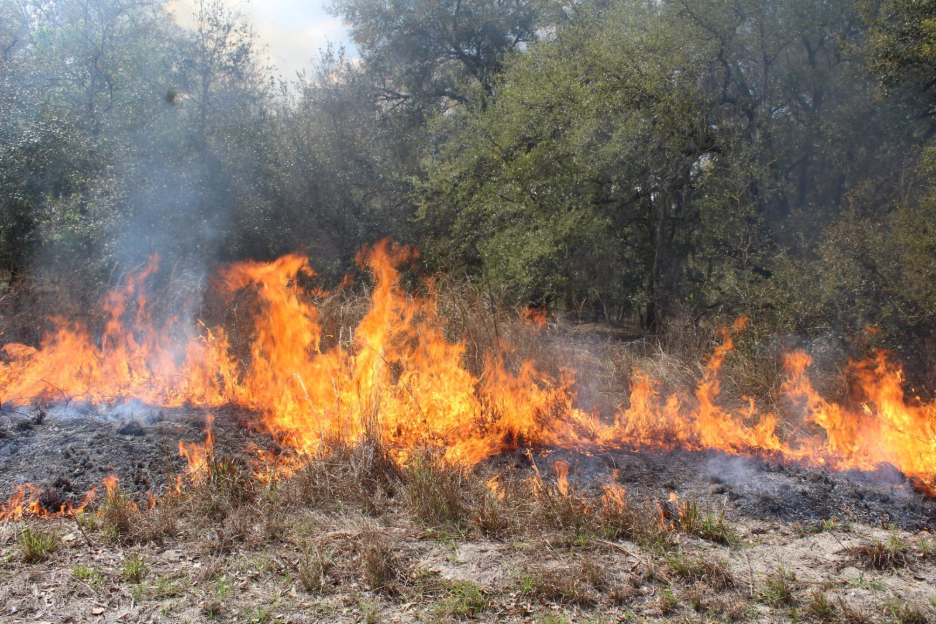
While not as well-known as the hydrological wonders that Florida has to offer, fire is one of the most influential factors shaping the versatility of Florida’s landscapes. A pyrogenic landscape refers to ecosystems that are maintained by the presence of fires. A pyrogenic regime — or the intensity, frequency, size, and scale of fires in an ecosystem — can depend on the type of ecosystem, along with the species that can be found there. For example, Chapparal scrubland in California can burn on intervals anywhere from 30-100 years, whereas in Florida, savannah and prairies that experience fire can be burned between 1-5 years.
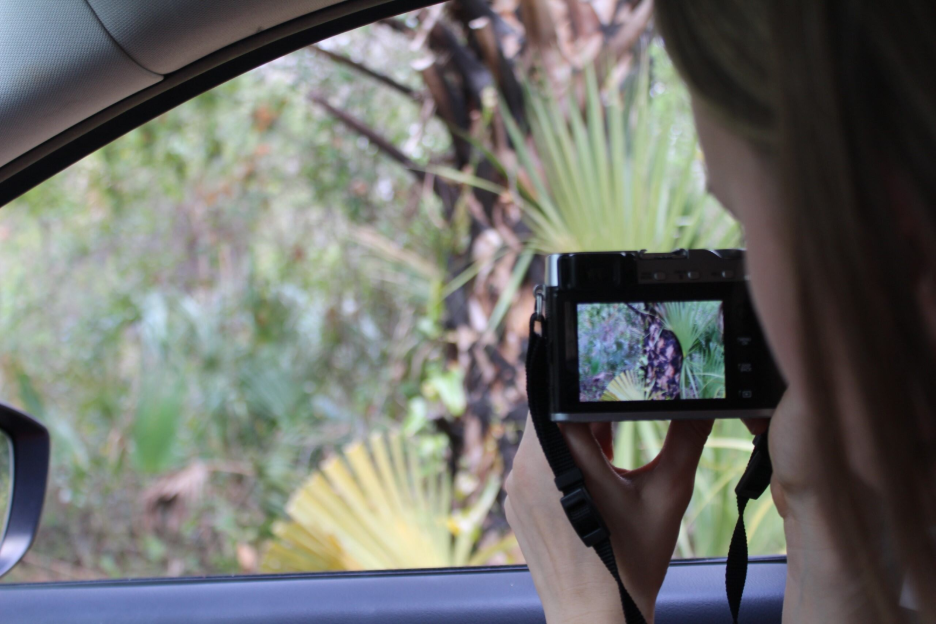
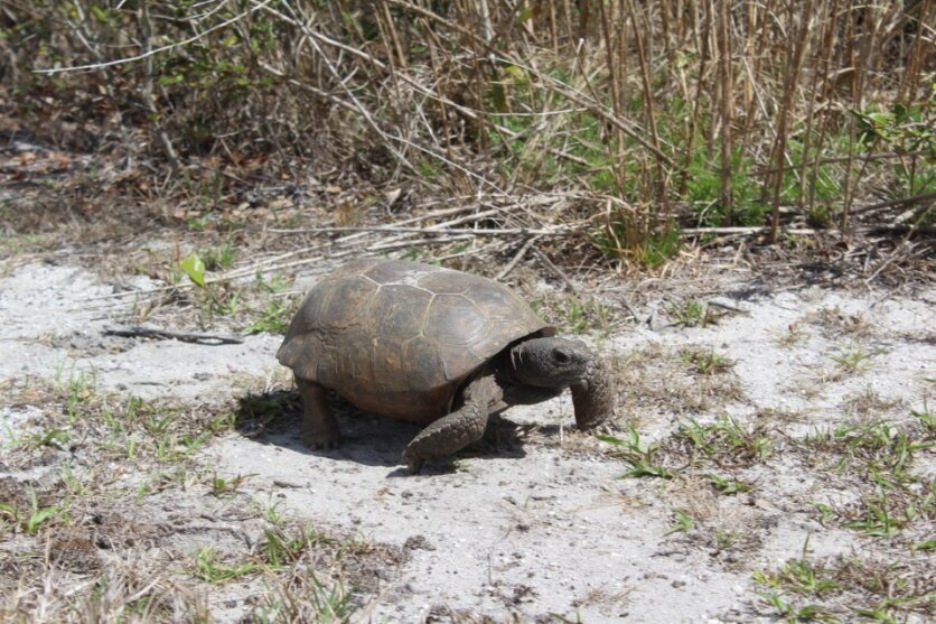
Fire in Florida drives incredible adaptations and versatility in various species all over the state. For example, some pond pine, a type of Native Florida Pine, produces “serotinous” cones which only open and release their seeds after they are exposed to heat. Other adaptations include burrowing behavior in the gopher tortoise that allow it to escape the heat and provide safe hiding spots for other animals.
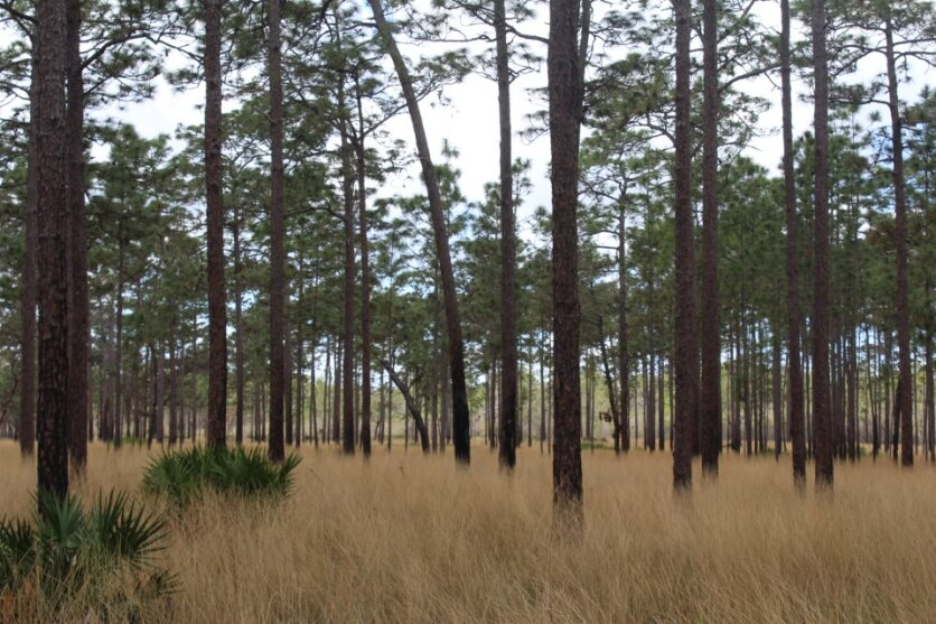
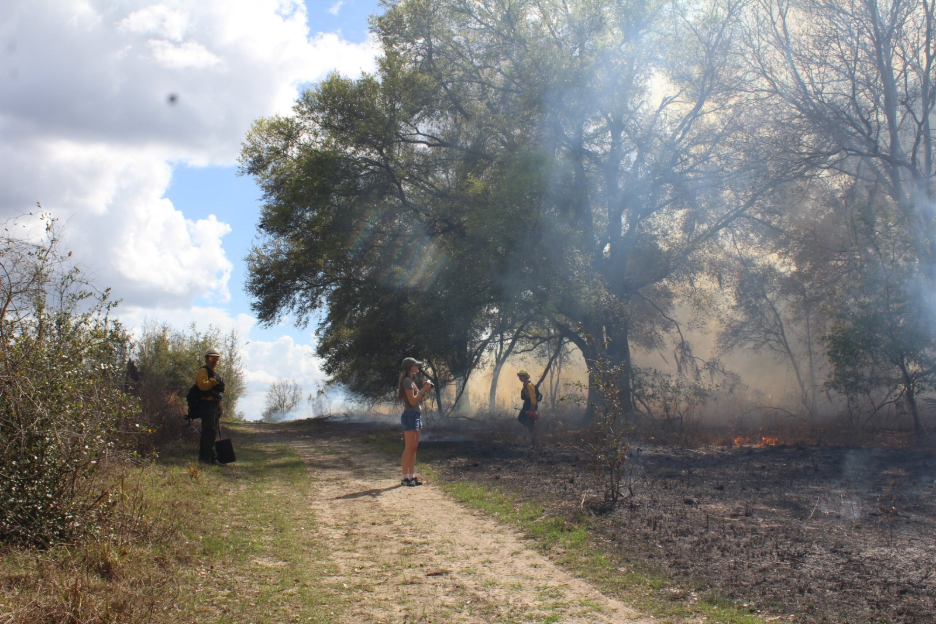
While these fires were caused historically through naturally occurring lightning in the region, the modern-day fire regime in Florida primarily relies on prescribed burns from organizations. Many state parks, such as Wekiwa Springs State Park and Lake Louisa State Park, have frequent prescribed burns to prevent over-encroachment from hardwood trees, like turkey oaks, and to preserve the vast open space that many pyrogenic habitats, like long-leaf pine forests, rely on. The prescribed burns are also incredibly important for invasive species management and for stimulating the flowering of native species and grasses.
Many animal species also rely on prescribed burns. For example, the scrub jay is a type of bird that is endemic to Florida. The different stages of regrowth that occur after a fire create habitat required by the scrub jay. The bird population in Florida is growing increasingly more vulnerable, as it is currently listed as a threatened species by the FWC, and any forms of fire suppression would only further this by limiting the habitat available for the scrub jay.
Throughout 2026, Florida saw its prescribed burn program constrained by forces beyond the usual anthropogenic pressures — not sprawl or liability, but an extreme climatological drought that made the landscape too dangerous to burn. As of March 2026, the entire state has experienced at least some form of drought conditions, with some regions experiencing harsher conditions than others. These dry conditions have not only severely impacted agricultural yields, but also pyrogenic maintenance, with many burning agencies being placed on a burn ban until conditions are less dangerous.
Disruptions to prescribed burn programs, whether from development, liability, or — as seen in 2026 — extreme drought, interrupt the ecological rhythms these systems depend on. As climate variability increases and dry seasons grow more severe, the viable window for conducting prescribed burns will likely continue to shrink. Without consistent pyrogenic maintenance, fire-dependent species like the Florida scrub jay face accelerating habitat loss, and fuel loads across unburned landscapes will continue to accumulate — setting the stage for the very uncontrolled wildfires.
While Florida built its identity on sun and water, it may be fire that determines whether its wild scenery survives.
The opinions on this page do not necessarily reflect those of The Sandspur or Rollins College. Have any additional tips or opinions? Send us your response. We want to hear your voice.




Comments are closed.