
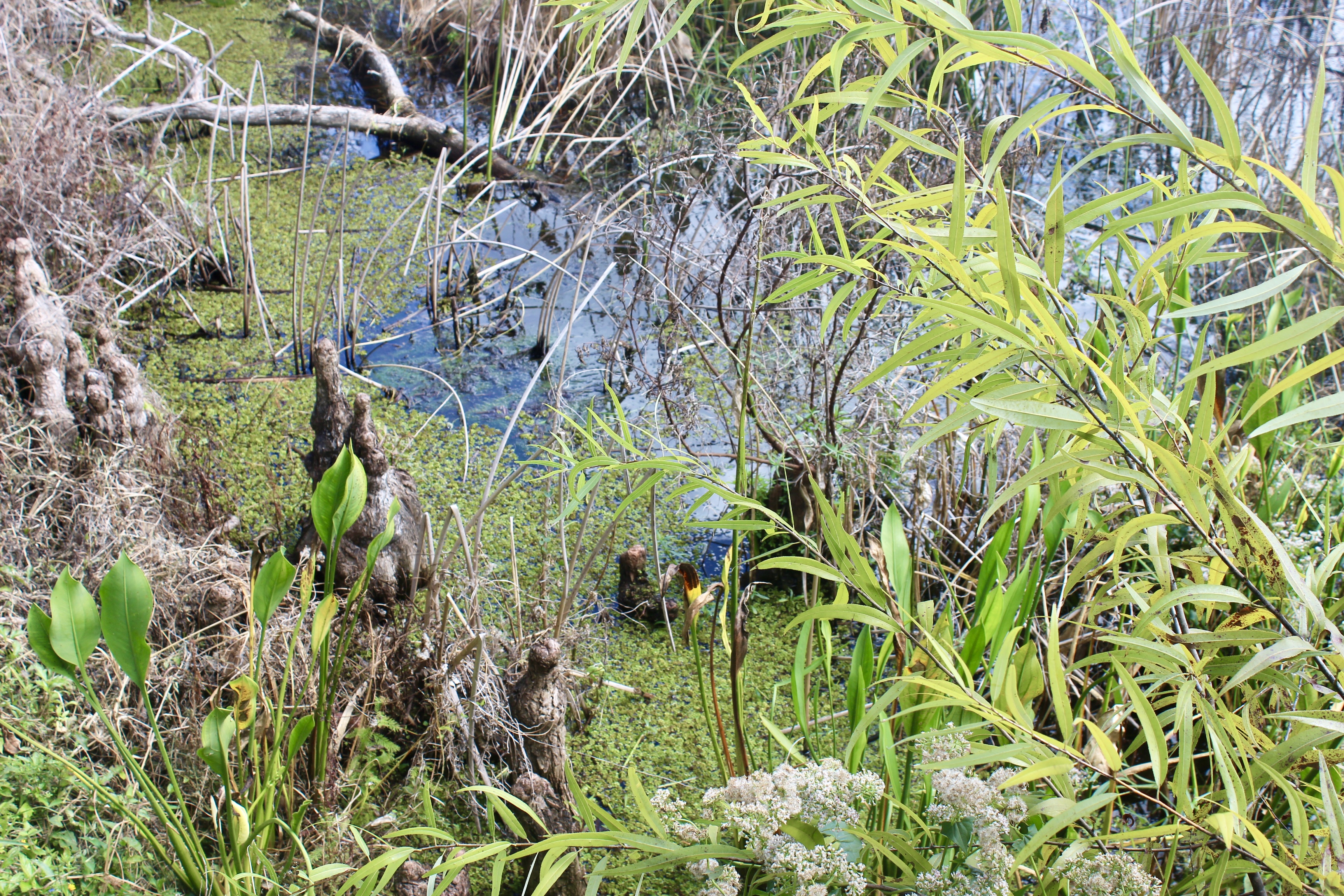
It’s little known to most Floridians that hundreds of lakes across the state are monitored by a volunteer program. LAKEWATCH, created by the University of Florida in 1986 and formally established by the Florida State Legislature in 1991, relies on over a thousand participants to collect monthly data from bodies of water. These volunteers collect water samples every month from lakes, rivers, and coastal areas across the state and submit them for analysis.
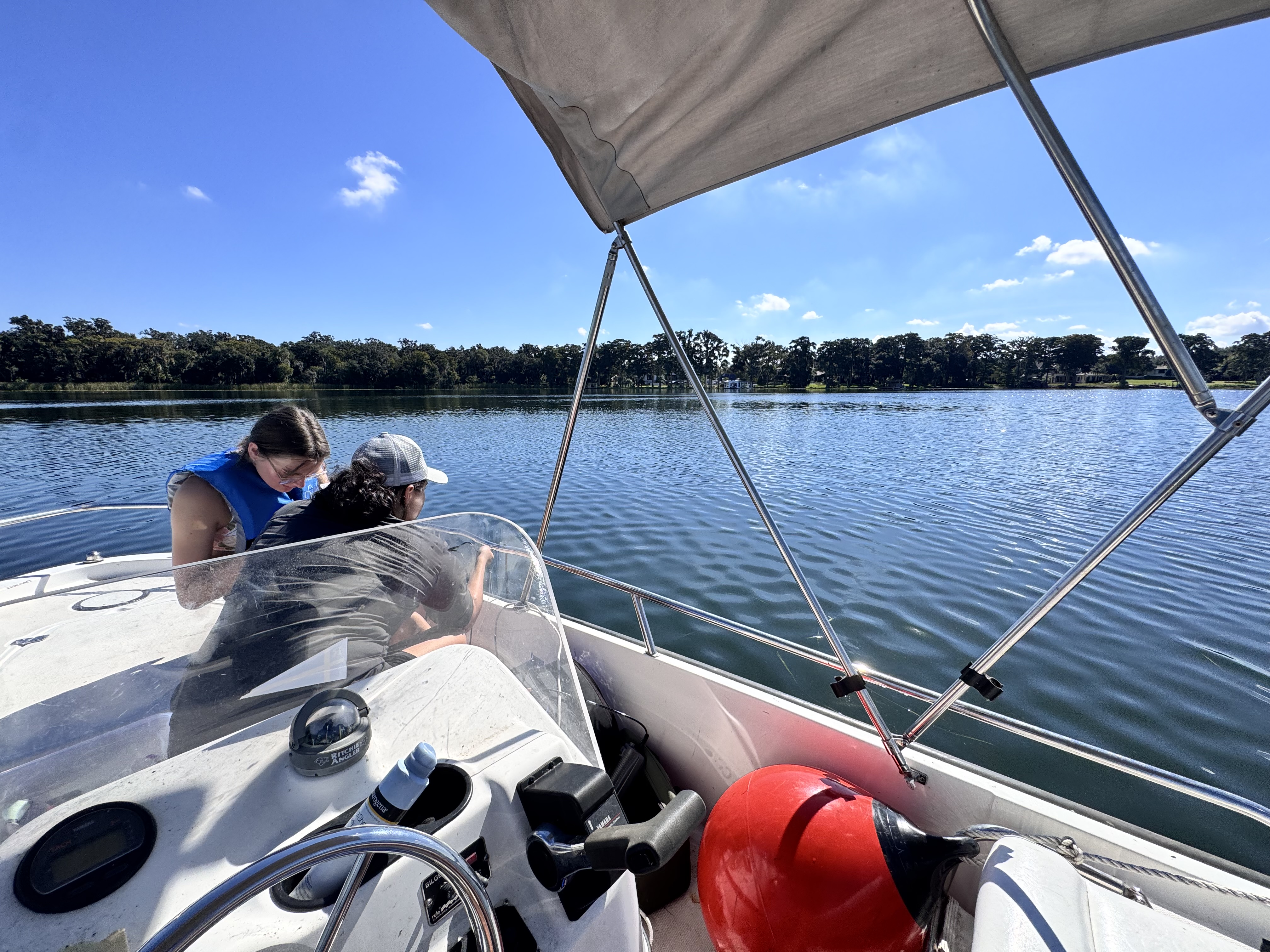
The Freshwater Alliance at Rollins (FAR), an interdisciplinary program comprised of students and faculty, participates in the statewide LAKEWATCH program and operates Rollins College as one of its drop-off and pick-up sites for water samples and monitoring supplies. Each month, students from the Freshwater Alliance visit three locations on Lake Virginia for sampling: a shallow location near Dave’s Boathouse, one location off the shoreline at the western edge of campus, and a deep point about halfway across the lake.
During each monthly trip, FAR volunteers follow through procedures established by LAKEWATCH’s protocol. These include filtering for chlorophyll levels, which are used to detect algae (with samples sent to the University of Florida’s lab), and collecting water samples to test for oxygen, phosphorus, and other minerals. Volunteers also measure depth of visibility and the lake’s overall depth; Lake Virginia’s depth has been known to increase from about 16 feet to 19 feet following hurricanes.
The Student Coordinator of the Freshwater Alliance, Michelle Polo (‘26), noticed during the team’s most recent visit to the lake in September that water quality had declined compared to August. She said, “Visibility had decreased and the water’s odor had changed since August. It usually takes a while for a lake like Lake Virginia to see a big change in water quality, so the sudden drop was a surprise to us.”
The decline could have been caused by increased use of fertilizers and pesticides by homeowners or businesses around the lake, but without formal studies to identify the source, Polo claims the cause remains uncertain. “The issues with the lake are not necessarily caused by Rollins College or anyone on the lake. Water quality changes can originate from anywhere in the chain of lakes connected to Lake Virginia,” said Polo. Lake Virginia is part of the Howell Branch Watershed, which spans over 20 square miles and includes Lake Osceola, Lake Maitland, and Lake Minnehaha.
In addition to LAKEWATCH, another important resource for the Freshwater Alliance is the University of South Florida’s Water Atlas. This online database maps bodies of water across several of Florida’s counties, including Hillsborough (home to Tampa), Pinellas (St. Petersburg and surrounding areas), and Orange (where Rollins College is located). In the case of Lake Virginia, for example, the atlas stores data from thousands of past water samples and features charts showing chemical levels, bacteria presence, and water clarity.
Overall, Polo notes that Lake Virginia’s water quality remains acceptable, saying, “the lake is still safe for water skiing and other outdoor activities.” When major concerns about algal blooms or bacteria arise, the beach at Dinky Dock is closed to swimming by the City of Winter Park Lakes Division, as occurred during the last summer break. Anyone who wants to receive alerts about lake closures due to water quality issues can sign up at the City of Winter Park website.
The opinions on this page do not necessarily reflect those of The Sandspur or Rollins College. Have any additional tips or opinions? Send us your response. We want to hear your voice.





Comments are closed.