
Sometimes you’re catching up with friends, telling the same old stories and laughing like it’s the first time you hear them. Through tears of laughter, you might talk about that week you spent listening to sad songs on repeat over a middle school heartbreak and how you wrote your feelings down in that old journal that you don’t even know where it is anymore.
Then the conversation shifts as someone brings up a genuinely bad relationship, and you hear your best friend say, “I’m so glad you’re not with that psycho anymore.” To which your other friend replies, “I know. But let’s not talk about him because just his name triggers my trauma. The gaslighting was driving me crazy.”
There’s no need to dismiss that friend’s experience. But somewhere between the laughs and serious talk, clinical language starts to slip in — and that slip has a name.
What is therapy speak?
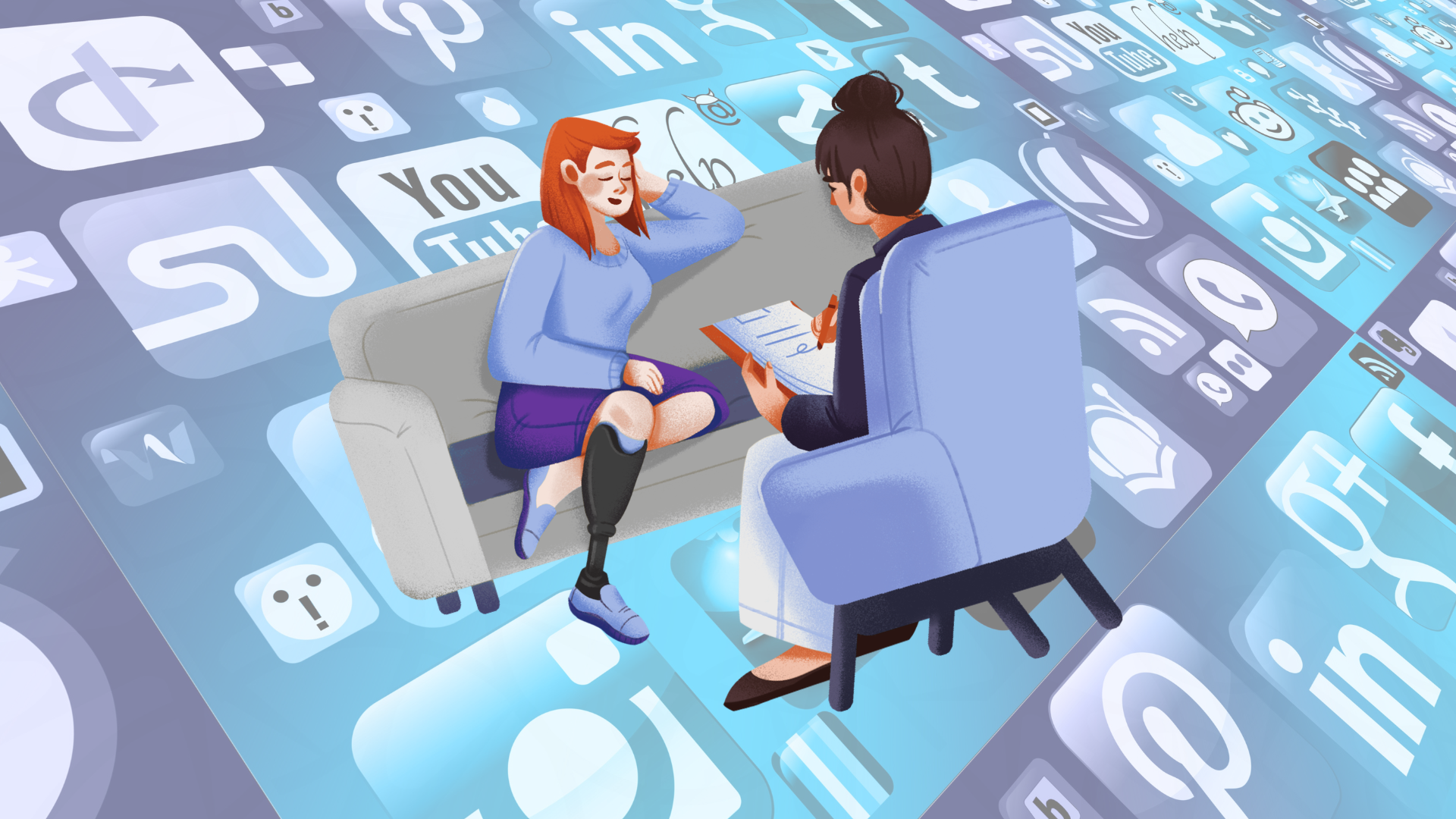
“Therapy-speak is the imprecise and superficial integration of psychotherapy language into everyday communication”, especially within online, social, and personal realms. Terms like “trauma response,” “trauma bonding,” “boundaries,” “gaslighting,” and “trigger” were once confined to clinical settings but now are part of everyday conversation. “trigger” were once confined to clinical settings but now are part of everyday conversation.
Is this a good or bad thing?
This language expansion allows the public to gain awareness of mental health. It helps people name their experiences, express their feelings, and find community. It makes conversations about therapy and unhealthy behaviors less stigmatized. Learning about boundaries and self-care can be the first steps toward understanding our own needs.
A problem emerges when these terms are misused — particularly when they’re used casually as a form of self-diagnosis, as they can minimize the voices of people who are genuinely struggling. Terms that carry clinical weight get weakened if not used with care, and those who live with these conditions can feel like they’re drowning in a reality that people don’t take seriously.
Rollins College Professor of psychology Paul Harris draws a clear line at the use of diagnostic terms in casual conversation. “You might identify with certain traits of, let’s say, OCD, because you’re organized and like things a certain way — but you don’t have OCD,” he said. Saying that you’re feeling “a bit OCD today” can be problematic. He compares it to claiming to have cancer when you don’t. The stakes feel similar: people living with generalized anxiety disorder, for instance, may find it frustrating — even offensive — when someone describes pre-exam nerves as “severe anxiety.” “It is not easy to have an anxiety disorder,” Harris said.
What can you do?
None of this means society should abandon these concepts from its vocabulary. Setting boundaries, practicing self-care, and recognizing toxic behavior are worthwhile. The language around mental health has done a lot of good by educating people and raising awareness. But not every bad experience is traumatic, not every person who has done us wrong was abusive, and being sad from time to time doesn’t mean you have depression. Before reaching for a clinical term, it’s worth pausing to consider what you actually mean, what your intention is, and whether the words you’re using carry the weight you’re giving them.
Therapy-speak doesn’t seem to be going away — and it shouldn’t have to. But the words we borrow from psychology carry weight that affects people with real experiences. Using them with intention is not just good communication; it’s a form of respect.
The opinions on this page do not necessarily reflect those of The Sandspur or Rollins College. Have any additional tips or opinions? Send us your response. We want to hear your voice.





Comments are closed.