
Spring is just around the corner, but the food-related buzz on campus has already centered on the construction of the East End Neighborhood and its impact on Rollins’ beloved Tarpotle this coming fall. Behind the scenes, more consequential decisions about our meals have begun as Dining Services embarks on a steady expansion of dietary options for students’ diverse palates.
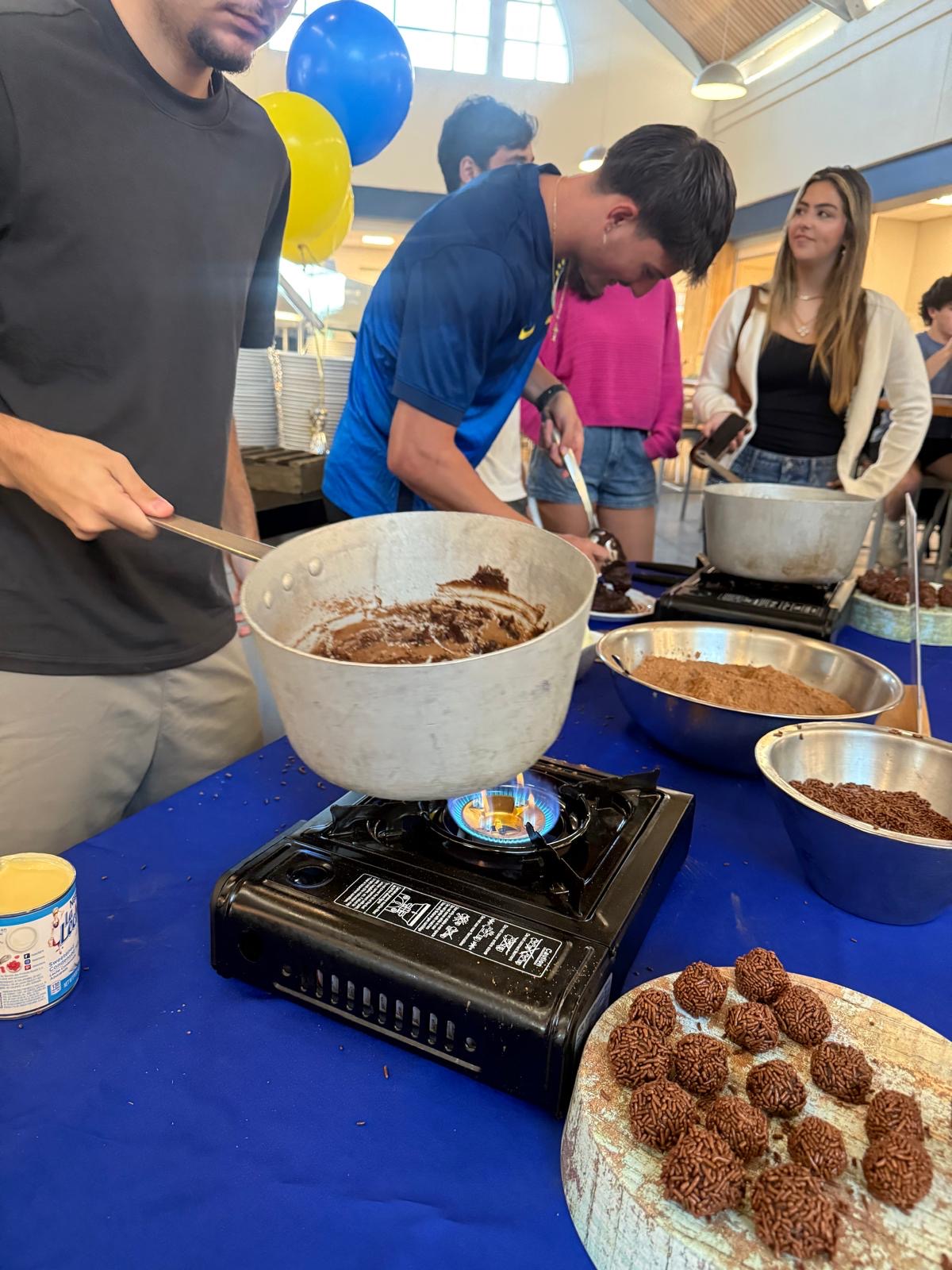
Dining Services’ new campaign could be beneficial for students aiming to expand their diets. During the 2025–2026 academic year, the Campus Center introduced daily Asian cuisine at the International Station, reviving the spirit of the former Asian menu at Dave’s Boathouse. Dining Services also introduced a Suggestion Board last fall for students to place their own recommendations, according to department director Cristina Cabanilla. Suggestions written on the board led to several events implemented by the Marketplace, including Brazilian Day, Poke Bowl Day, Arepas for Breakfast, and new condiments. In some cases, the Suggestion Board even led to multiple groups making separate submissions.
For example, Brazilian Day, according to Marketing Manager Carolina Ossa, “was created after the Brazilian Student Association reached out to request a cultural celebration” and “a Rollins professor had asked us to feature Brazilian cuisine at The Marketplace.” Their input allowed Dining Services “to combine both requests” for “a campus-wide celebration” of Brazilian cuisine and culture.
Further changes came shortly after the beginning of the spring semester. Dining Services added a Bevi water machine for still water and sparkling water on Jan. 28 and expanded pasta varieties in the Campus Center.
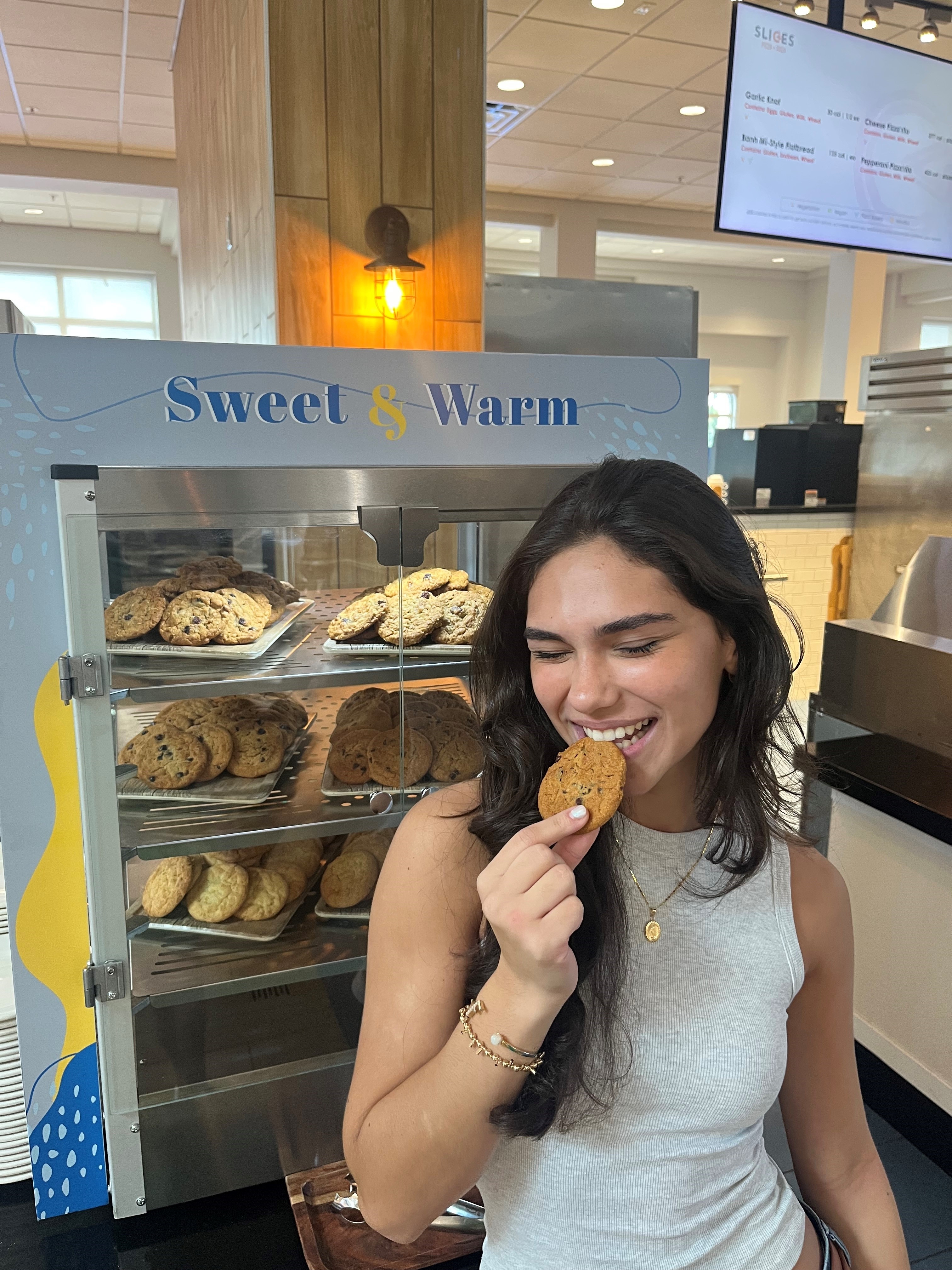
Across the rest of campus, Dining Services added a smoothie machine at the C-Store, new boba flavors and açaí bowls at The Grind Café, and smash burgers as a permanent menu item at the Fox Lodge Grill. The department has also made matcha lattes available at all campus cafés and returned interactive sushi to campus (now at Bush Café).
The new menu items across the various dining locations form a key part of testing which items are most popular, so Dining Services can adjust its dining options accordingly. According to Cabanilla, most changes were suggested by students, as Dining Services aims to integrate students’ points of view into campus dining so “they know their opinions are valued.”

Dining Services is also expanding its allergen-friendly options for those with allergic reactions to certain ingredients based on an annual survey of the student population. The most common dietary sensitivities, according to Ossa, are vegan, vegetarian, and gluten-free diets. Hence, this year and especially this semester, vegan protein options are being rotated to add variety. Data collected thus far on student preference of vegan options has shown that pad Thai and the vegan “Impossible Burgers” have been a hit.

For many students, the future of Cornell Café remains a top-of-mind issue. But besides the change of location and name, the cafe’s fundamental service and style will be largely unchanged. Cornell Café will be renamed to its well-known nickname among students, “Tarpotle,” and will be relocated to the East End Neighborhood. Starting in the fall, the new Tarpotle will expand its open hours and offer a morning breakfast.
One student, Saumya Khelani (class of ‘29), has taken up the cause of on-campus dining through her role as Dining Services Senator in Student Government Association (SGA). Khelani has taken online polls through campus social media and direct feedback from conversations with students to provide student suggestions and information for Cabanilla and Ossa. However, to keep Rollins’ dining culture in touch with students’ needs and ideas, Khelani notes the importance of encouraging “students to reach out with any dining suggestions through email, Yik Yak, or Instagram.”
While not as obvious to the eye as the dining rebrands this spring, the changes introduced during the 2025–2026 academic year could be a game changer for students with allergies, health-conscious eaters, and anyone seeking greater cultural diversity in their diet.







[…] other changes will be made: Cornell Café (Tarpotle) is moving into the East End Neighborhood, and a new cafe will also be openi…. Campus Safety will also be housed in East End beginning the new […]