
A hard freeze caused temperatures to drop to 25 degrees Fahrenheit in Winter Park on the morning of Feb. 1, freezing pipes and flooding hallways at Rollins College. It also damaged plants across the college’s scenic campus.
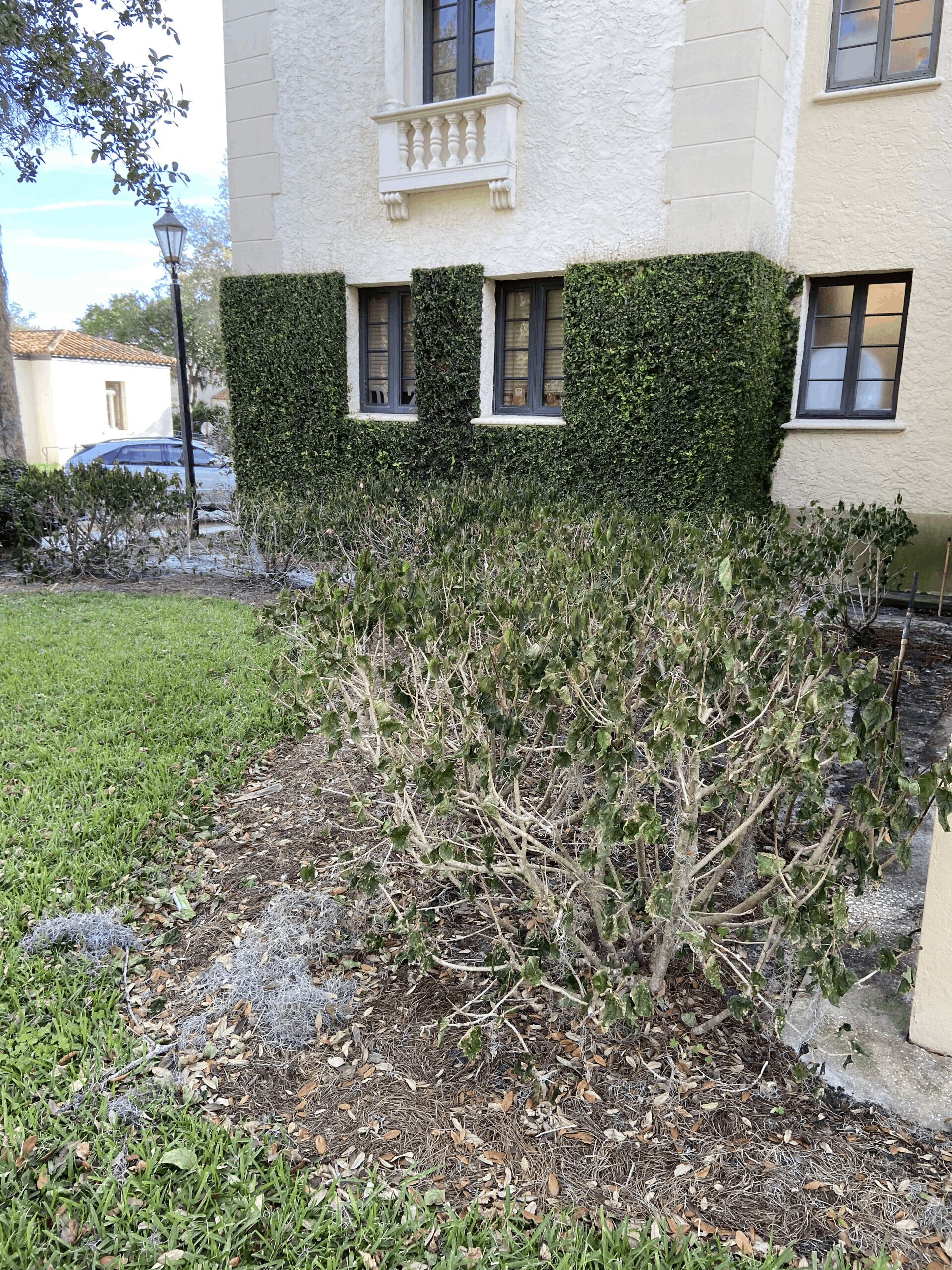
On campus, entire lines of bushes and flowers wilted and browned as temperatures returned to normal over the following days. Music major Sebie Sanchez (’26) said, “I’ve seen that, due to the cold temperatures in the past week, the plants have suffered have become fragile, almost brittle.”
According to Pablo Tovar, the landscape and grounds foreperson at Rollins, the weekend of Jan. 31 to Feb. 1 marked the worst cold the area has experienced since the mid-2000s. While not all the plants that have turned brown are dead, many are predicted to take months to a year to regrow. Damaged hibiscus plants, for example, can be cut down in a hard cut, enabling them to grow back by the next academic year. With events such as Alumni Weekend and noncollegiate private events scheduled, the Facilities Services Grounds Team plans to replace many of these plants rather than leave damaged plants on campus throughout the upcoming year.
Replacements of damaged plants will not happen yet because temperatures may continue to dip into the 30s (Fahrenheit) during the coming weeks. According to Tovar, Facilities Services staff “are on hold for right now.” Tovar will “present an assessment to the college regarding the damage from the cold snap. Then I’ll put a plan together to move forward – deciding what needs to be replaced and what is not going to come back at all.”
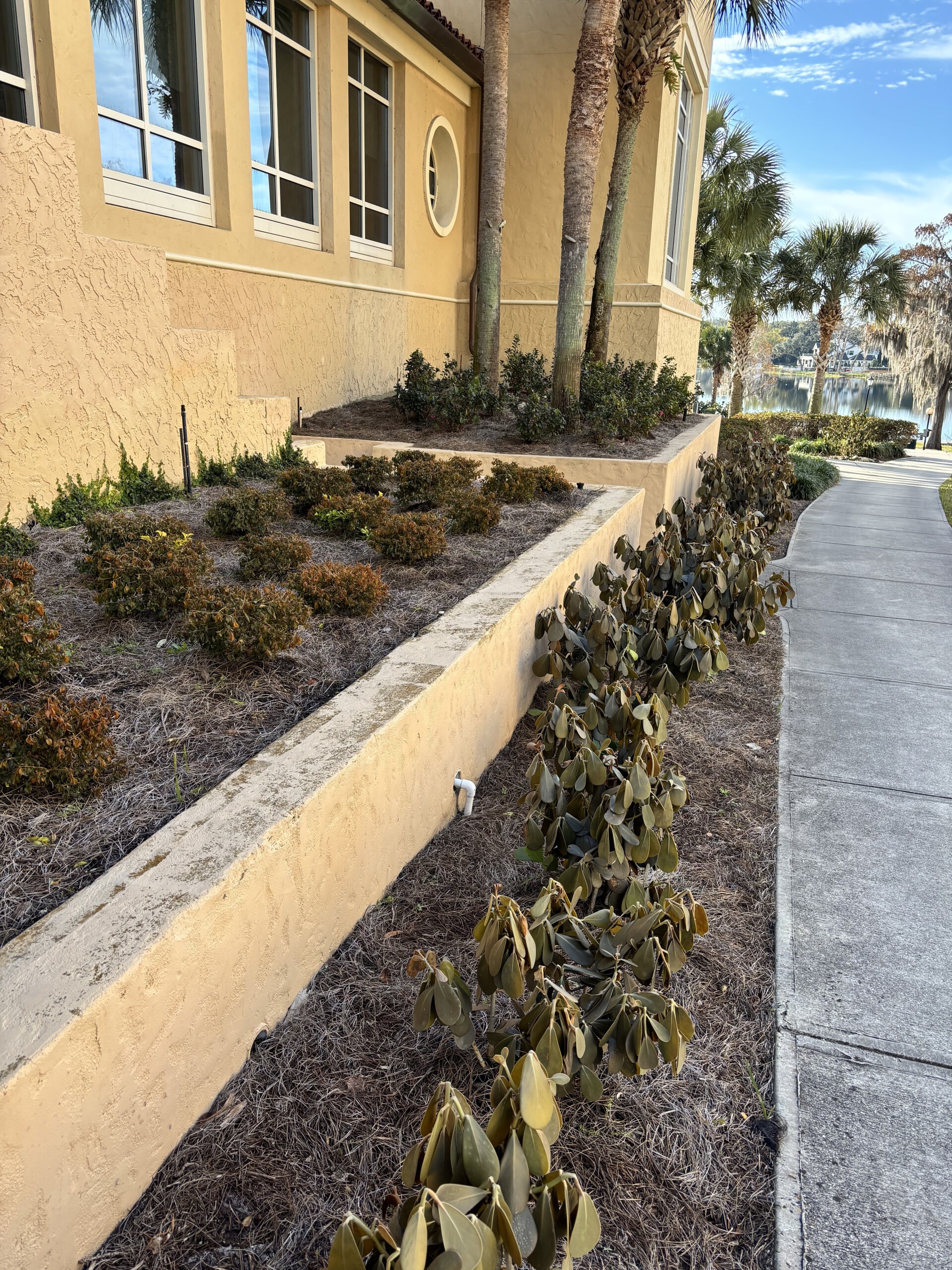
Tovar said that some plants are completely dead and are not expected to grow back. One example is clusia, “a plant that’s getting very popular in 9A and 9B plant hardiness zones like this one. It was hit badly, as was ixora. Ixora plants are the ones that can be seen going toward the pool in Lakeside along the steps.”
The plant hardiness scale, developed by the U.S. Department of Agriculture, maps regions of the United States based on the cold weather extremes they experience. The coldest climates in Alaska, classified as 1A, experience temperatures as low as minus 60 degrees Fahrenheit, while the warmest American microclimates in Puerto Rico reach 13A and 13B. Central Florida’s 9B classification places its lowest tolerance level around 25 degrees, matching temperatures recorded at the beginning of the month. A strong wind chill effect brought the “feels like” temperature several degrees below that level.
Students have expressed similar views regarding the college’s plants and Central Florida’s typically semitropical climate. Physics and music double major Max Griffin said, “It was just unfortunate timing. This past week or two was too cold for pretty much any plant that thrives in Florida weather. Most healthy plants go into dormancy, where they appear dead for a period but come back after the temperatures increase (like deciduous trees do). But the new plants that were planted around campus may not have had time to acclimate to the new soil and location before the temperatures dropped.”
According to Tovar’s assessment so far, the total number of damaged and dead plants is in the thousands. At The Alfond Inn alone, freezing temperatures damaged 1,000 plants, while hundreds more were damaged at Elizabeth and Ward.
For students wondering about the cost and labor required beyond normal operations to replace damaged and dead plants, the excess cost may be lower than expected, depending on this year’s hurricane season. Similar levels of plant damage occur after hurricanes, including Hurricane Ian in 2022 and Hurricane Milton in 2024. Tovar said, “It’s an exceptional situation. Even at Disney, where plants were covered, many didn’t survive. A couple of nights of unusually cold wind were too much for our climate in 9A and 9B plant hardiness zones.”
Until late spring, Facilities Services staff will continue assessing damage to plants on campus, allowing some to recover while removing those that are unlikely to grow back soon.



Comments are closed.