
Most northern and central Floridians have heard of the St. Johns River. I-95, U.S. 17, and I-4 all cross it, and it has forged a place in trivia books for being one of the slowest rivers on Earth. But one of its tributaries, the Ocklawaha, is not as well known. Neither is the turpentine industry. Both played key roles in Florida’s late-19th– and 20th-century history, and Magnolia Demers (‘27) and Dan Flick (Rollins College artist-in-residence) intend to bring memories of them back into the public eye. Their joint musical, “Rivers Run Wild,” is set to premiere at the Tiedtke Concert Hall at Rollins on Oct. 1 at 7:30 p.m., in a performance that is open to students and the public.
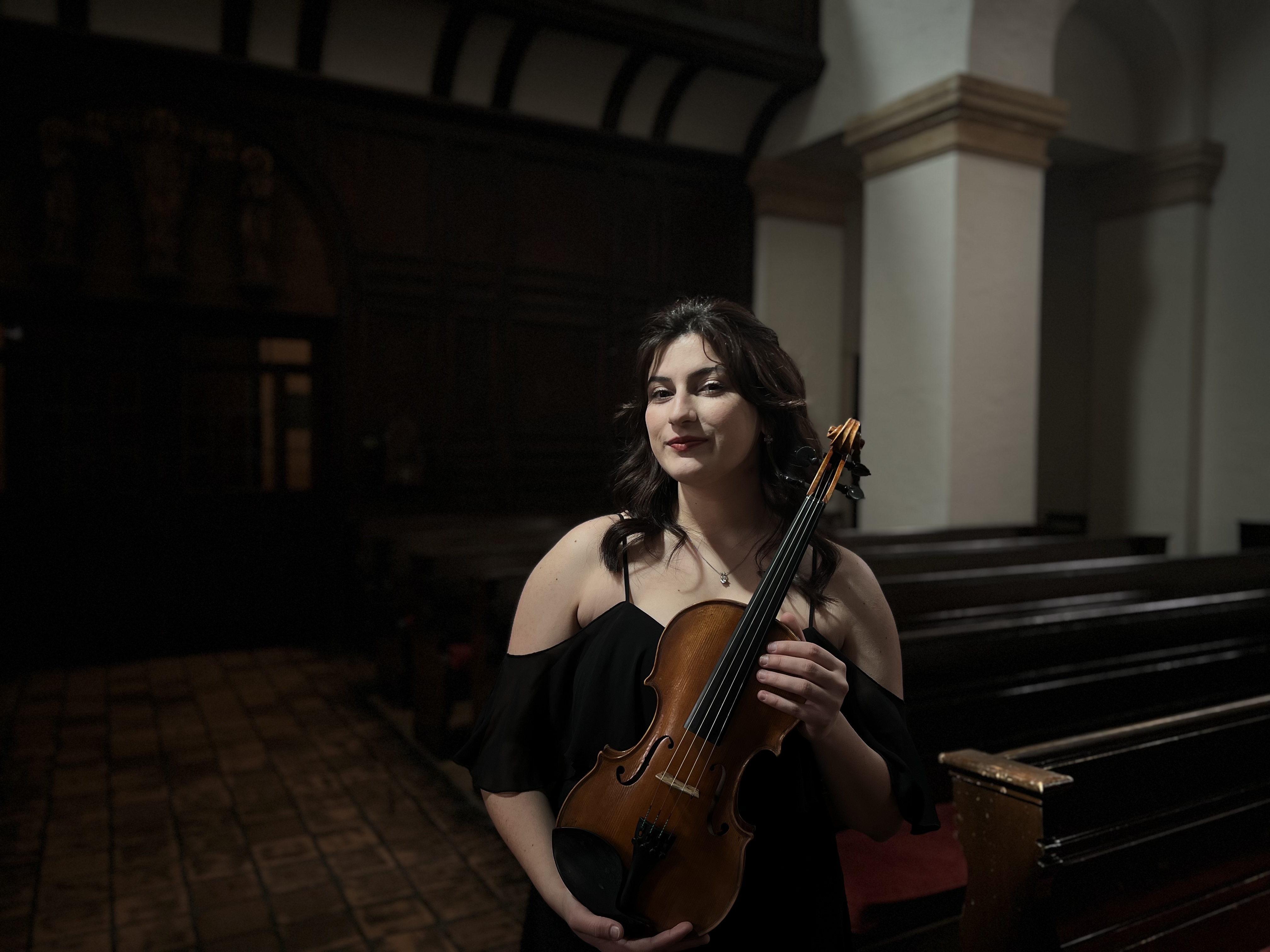
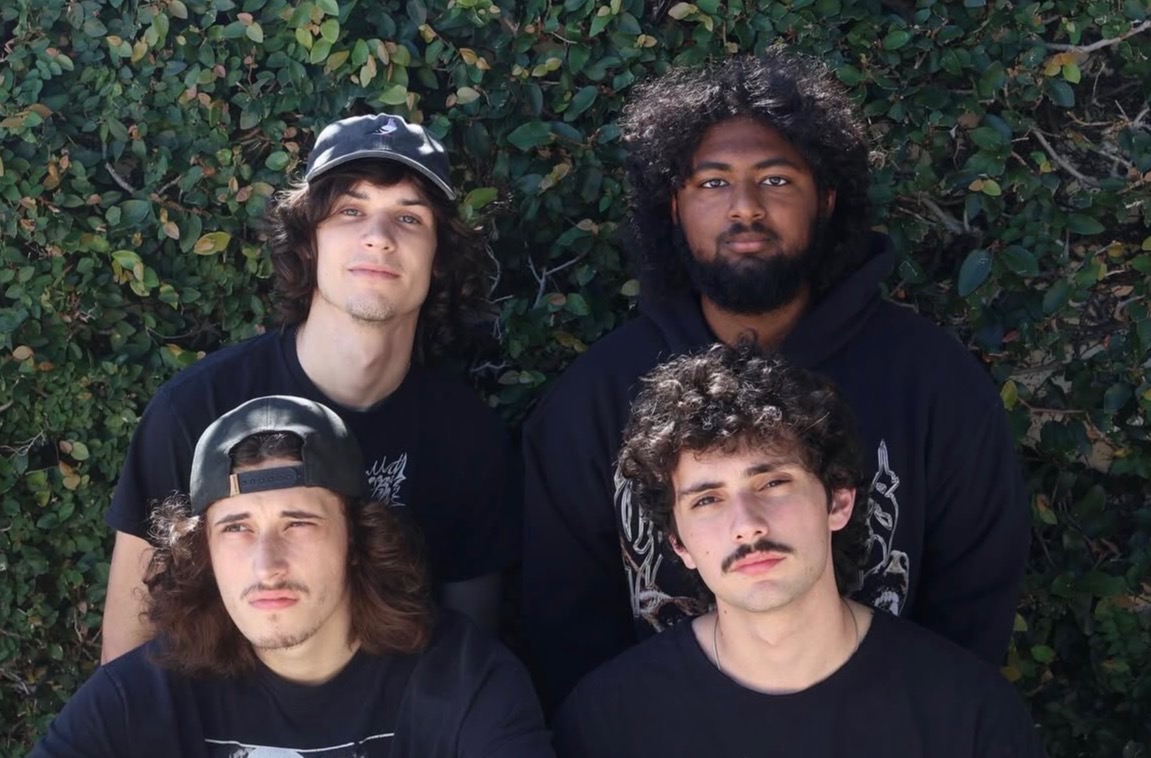
Both Demers and Flick are songwriters. Demers is perhaps best known on campus and locally for her Americana music group, Nolia Joy & the Ramblers. Flick is a multi-instrumentalist who has performed at the Bach Festival as a violist and works as an artist-in-residence with the college’s Acoustic Ensemble. Through his songwriting classes and The Show Goes On, a class in which students write a collaborative musical, he has been able to work as an educator and mentor for music students who want to start their careers as independent artists.
As for the idea of collaborating on a musical, Demers recalls that she and Flick “had discussed it during the year prior, and being a senior, this was the last chance to write one. Given the climate of our politics and world right now, we both wanted to write something present to this moment.”
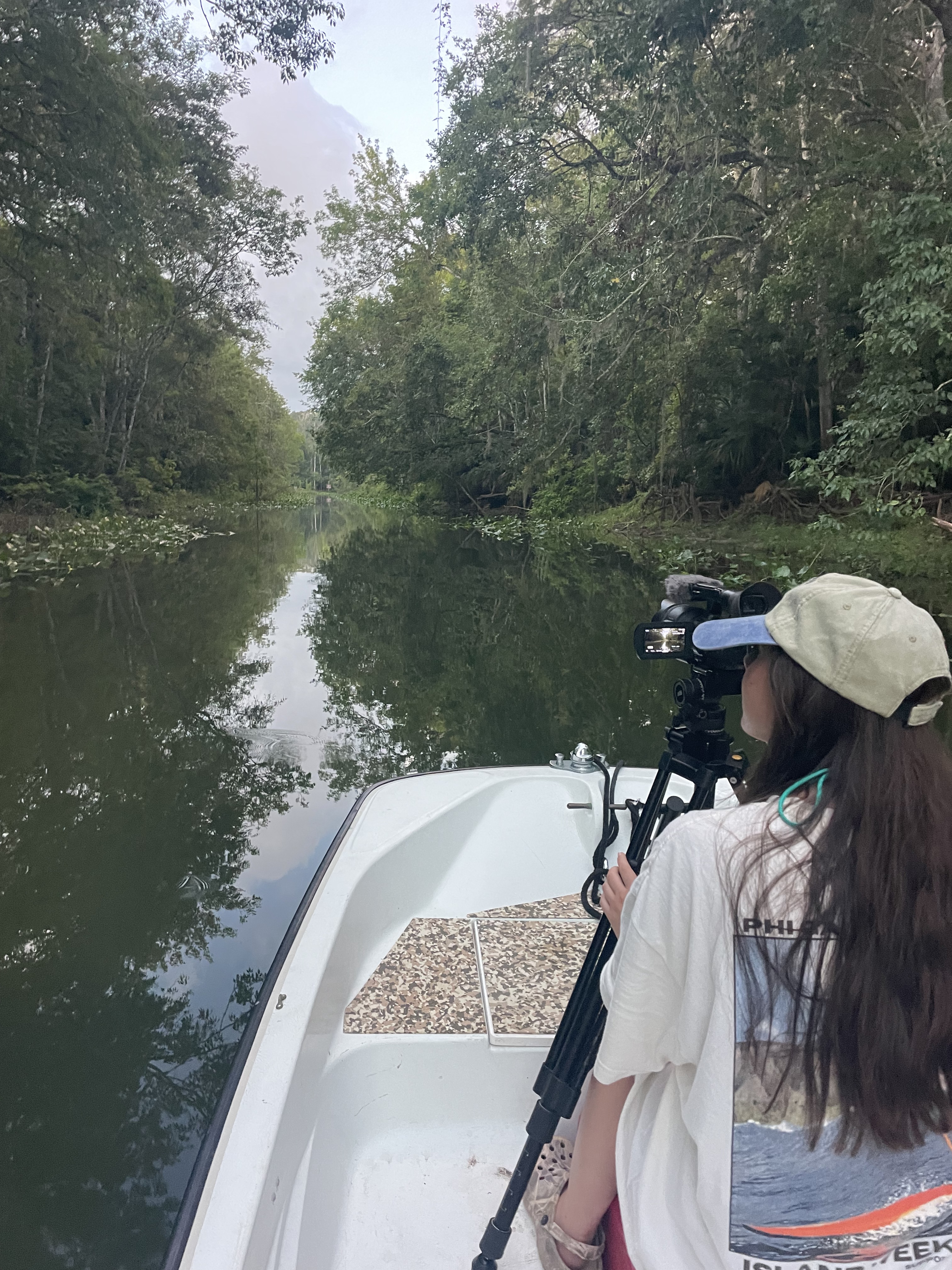
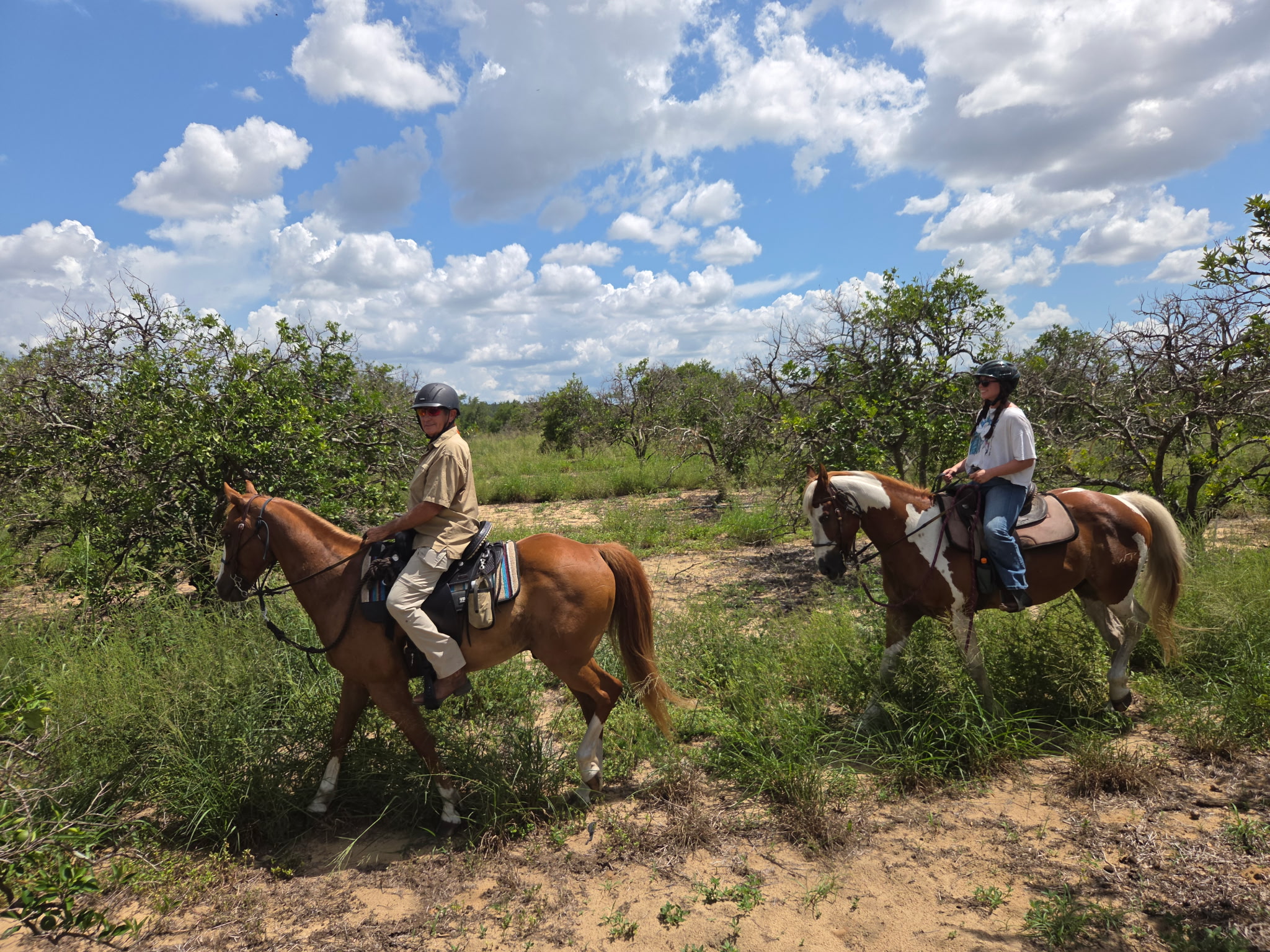
To have the funds to conduct interviews and do historical research, they decided to apply for the Collaborative Research Fellowship, a student-faculty grant at Rollins. The receipt of the grant enabled Demers to travel across the state and particularly the north-central region—through which the Ocklawaha River flows—to interview people knowledgeable about life in Florida at the turn of the 20th century.
The musical, according to Demers, “follows the stories of two girls, one white and one Black, growing up in poverty. They relate their life to nature and navigate their world by forming a friendship and bond that lasts them a lifetime.”
While the story itself is fictional, it extensively references actual historical events and cultural attitudes present in Florida during the Reconstruction era and early 20th century. Demers “talked to many Floridians, all from different classes, races, and backgrounds to get a full picture for our story. [We wanted] their perception of how life looked in Old Florida, and what was happening during the Reconstruction era, and the effects of it.” Flick adds that “we had a timeline of historical events that we wanted to weave into a historical fiction narrative. After we identified those events and places, we looked for people who would be able to inform us on those things.”
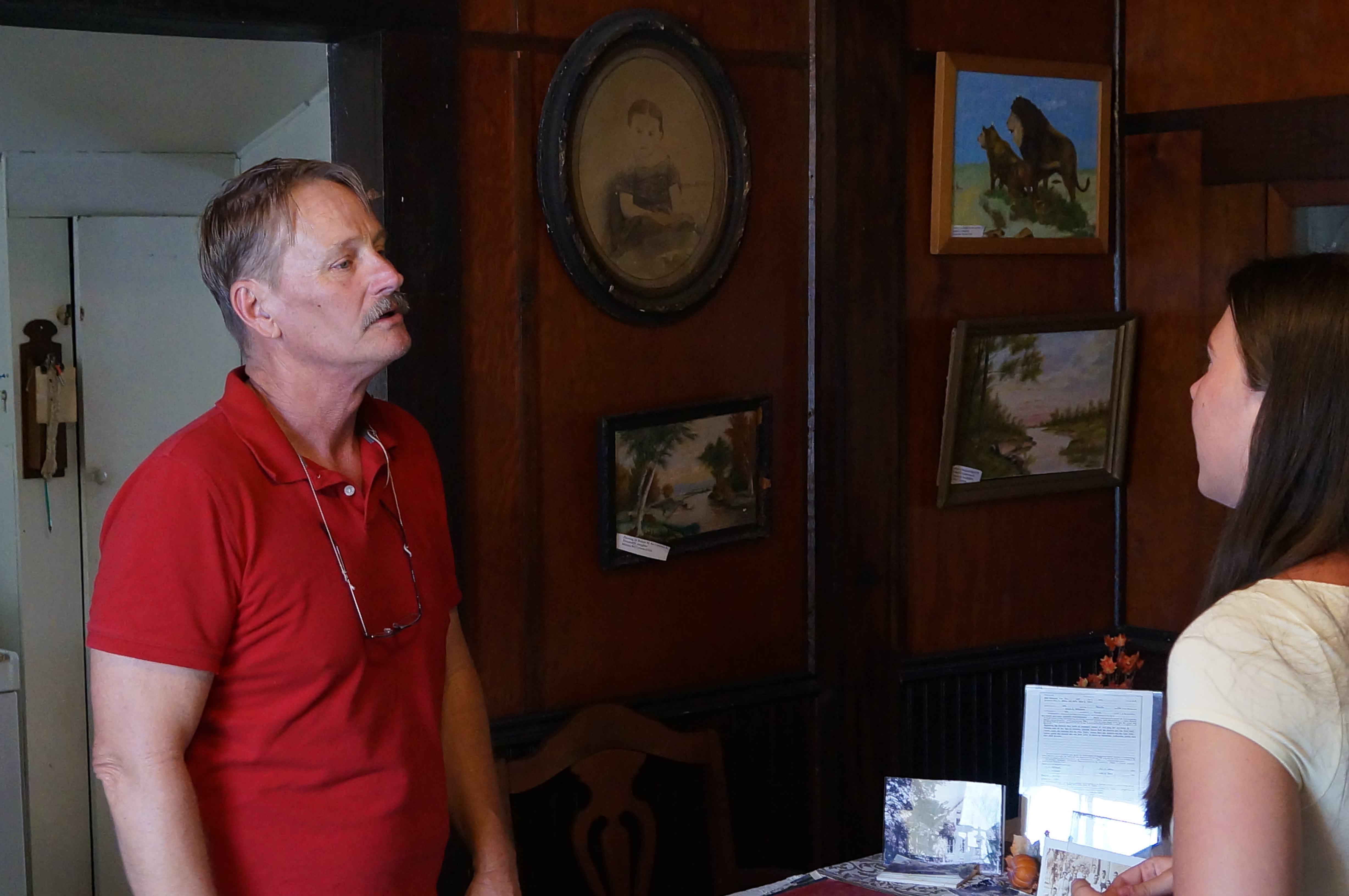
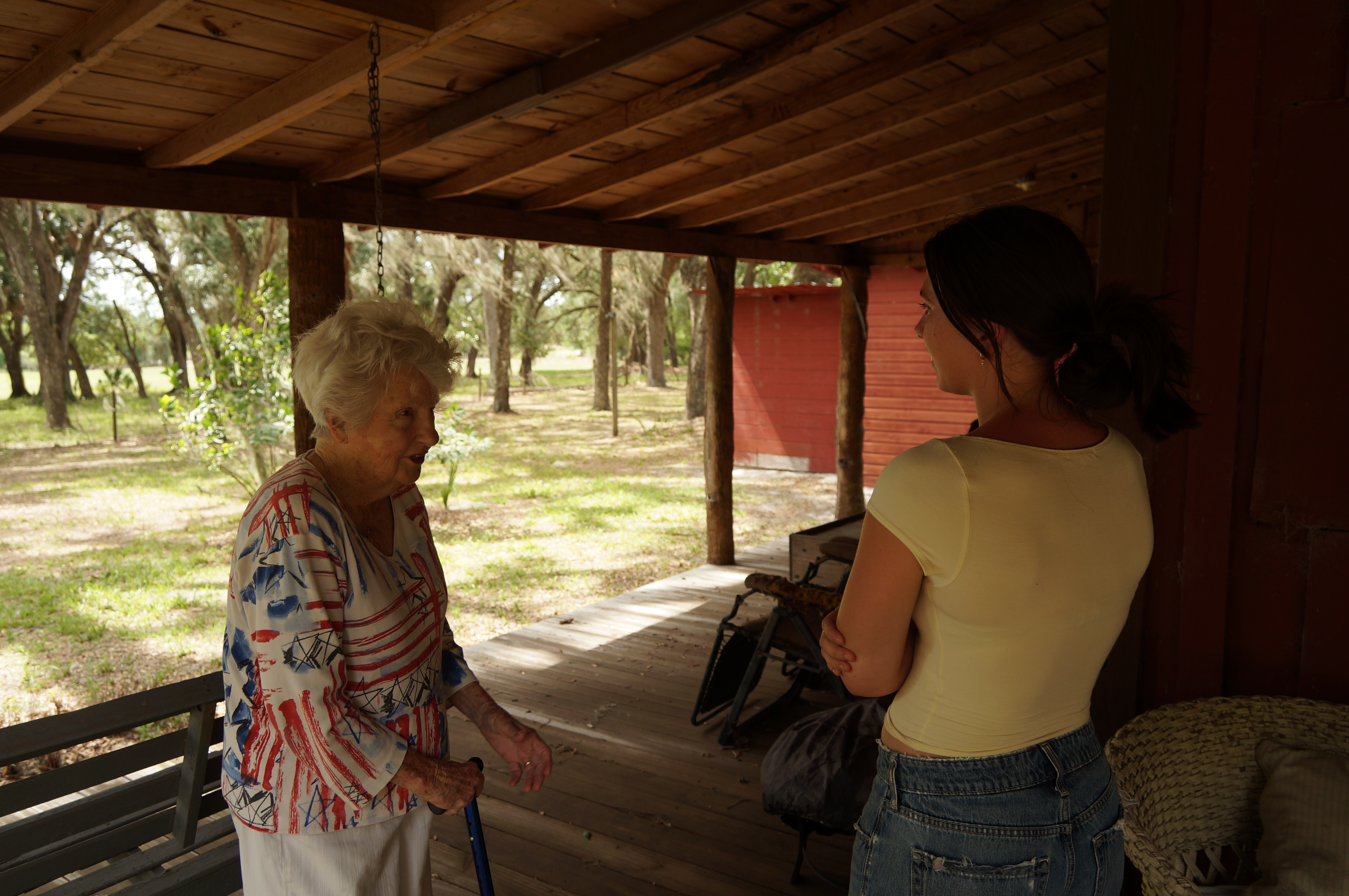
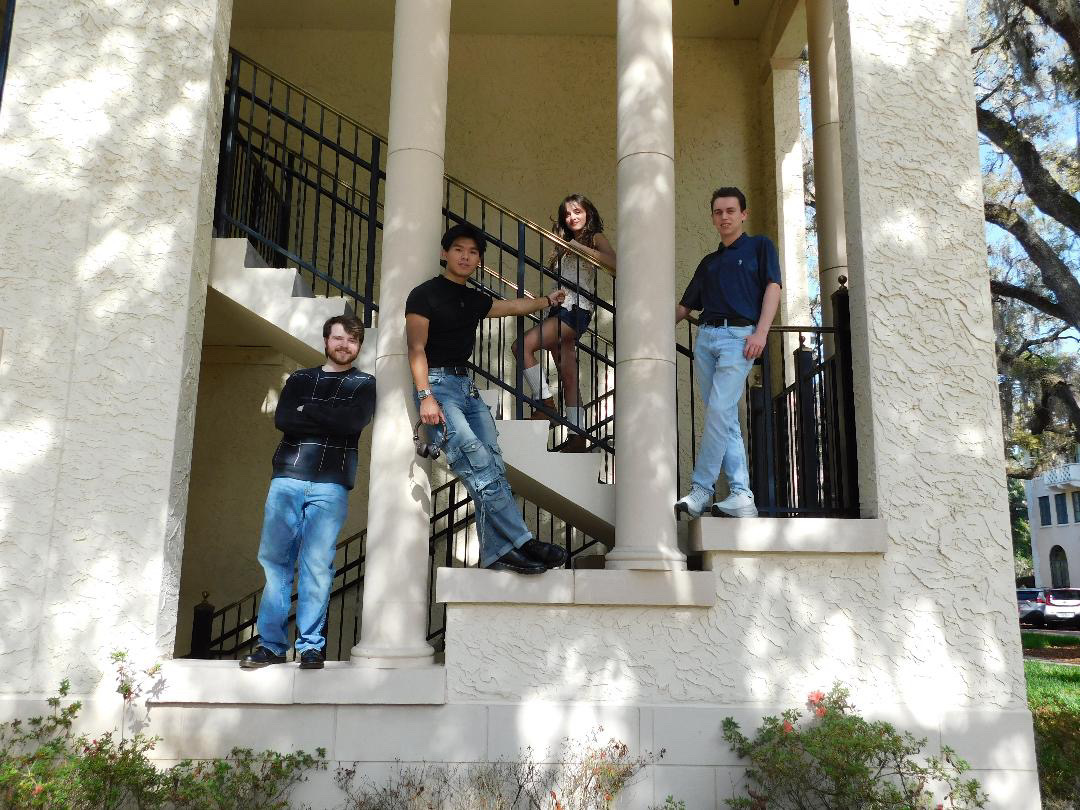
Among their interviewees were Mike Cross, a history researcher specializing in the region northwest of Orlando, and Patsy Irons, a 94-year-old Florida native whose memories passed down from her grandmother go back to the era Demers and Flick were researching. “Patsy had a cute childhood story that furthered the innocence of the two girls in our musical, when she was in a lily pond looking for worms for fish bait,” said Demers.
The musical also explores some of the bleaker chapters of Florida’s history. Among the most prominent encountered by Demers and Flick during their research was the turpentine camps that were common in the region following the Civil War. According to Flick, “Turpentine was the primary industry in Florida around the time of the Civil War. It was used to treat ships and ropes so they wouldn’t corrode in the salty air.
“Before there was citrus in this state, turpentine was one of the primary industries. It was labor-intensive. During the Jim Crow era and especially from the 1890s to early 1900s, families lived on these camps and were compensated with peonage—that’s paid in currency that’s only good at the company store. Peonage still exists in agriculture and mining today wherever the company store owns the town.
“Florida’s turpentine camps relied on convict labor” and on oppressed African Americans with few employment opportunities after Reconstruction. “If you were arrested, your labor would be sold to the turpentine camp”—even though, at this point, slavery had been legally abolished across the United States. Arresting Black Americans who lacked access to legal representation or rights was a way the segregationist South could reinstate a de facto slave-owning system without technically violating the Constitution’s 13th Amendment. “Cross was a great source of information about the turpentine camps, as he had researched them.”
As musicians, Demers and Flick took an interest in the genre and stylistic choices of the show’s musical compositions—all of which are original works they co-wrote. According to Demers, “The opening and end scene are Celtic-inspired, and old-time bluegrass-inspired, with influence from spirituals as well. Those genres speak to the authenticity of Old Florida. Bluegrass was very popular in the turpentine camps.
“Dan would take writing some days, and I’d play music. And the next day, it’d switch. I’d be transcribing music, and Dan would be working on the script. Sometimes, we’d be writing simultaneously. It’s so methodical, as the ideas just come in Dan’s head. They were well written, and I’d be rushing to write them down.”
Flick notes that the title of the musical is based on the true story of the Ocklawaha River, which was “channelized”—or made a canal—or barges crossing the state. Flick and Demers “knew [from an early stage of writing] the punchline of the musical would involve the title.”
The Tiedtke Concert Hall is across from the chapel on Chase Avenue. Doors open at 7:15 p.m. to the public on Thursday, Oct. 1. There is no admission charge, and tickets are not required in advance.



Comments are closed.