
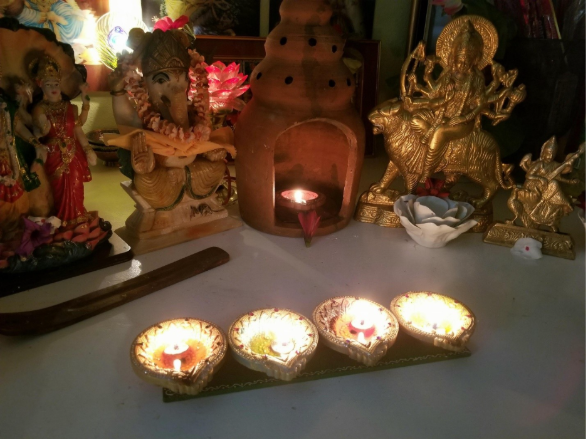
This past Sunday, I went to my grandma’s house for Diwali, and I wanted to share some of our traditions with you.
Diwali is the Hindu festival of light and a celebration of new beginnings. Some of the deities most strongly associated with Diwali are Lakshmi, the goddess of prosperity; Saraswati, the goddess of knowledge; and Ganesha, the remover of obstacles.
My family is Indo-Trinidadian, so the way we celebrate Diwali might look a little different from traditional celebrations. But I hope this will be an interesting look at how different members of the Indian diaspora observe this holiday.
Deep cleaning the entire house, fasting or eating strictly vegetarian, and taking a good bath are all important steps leading up to Diwali—and so is making lots of delicious food.
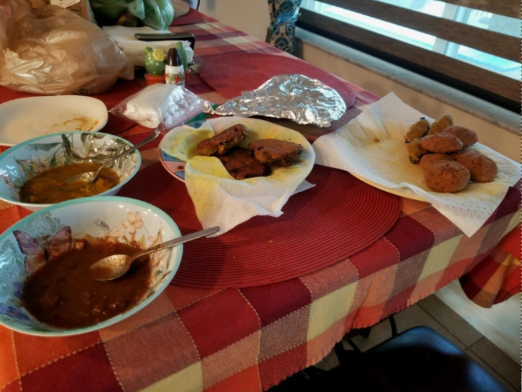
When I arrived at my grandma’s, she had already fried up several types of kachori. Kachori is a chickpea and spit pea mixture, sort of like a falafel, that gets deep fried until golden and crispy. She made plain patties, ones with spinach, and my personal favorite, ones with eggplant.
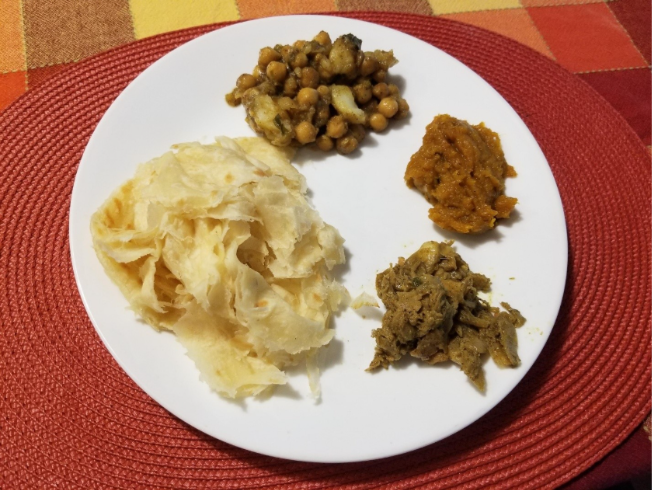
Another important part of Diwali is eating lunch as a family. My plate had channa and aloo (curried chickpeas and potatoes), stewed pumpkin, jackfruit, and plenty of buss-up shut (Trinidadian flatbread).
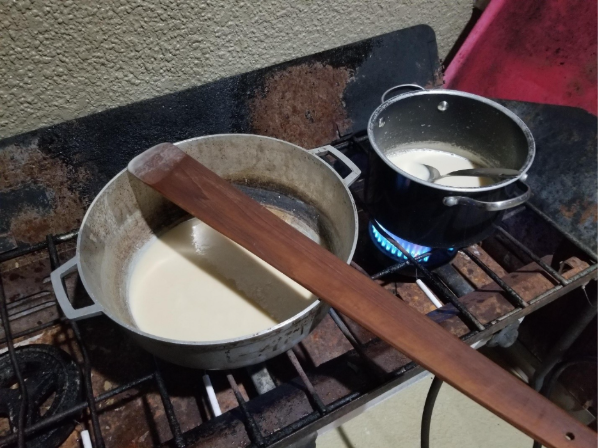
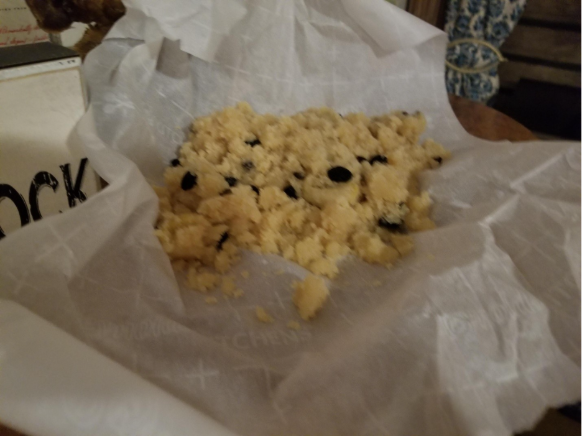
After I ate, my grandmas put me to work making parsad, a traditional Diwali sweet made from milk, flour, ghee, spices, and raisins.
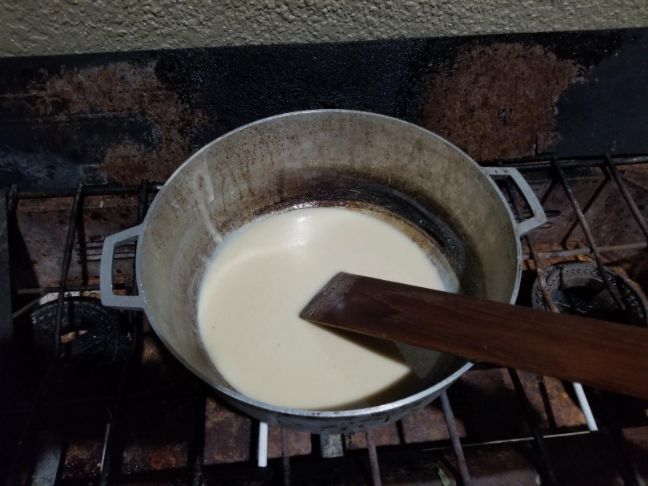
I had never used a gas stove before, so I was a little nervous. There is a lot of stirring and patience involved, but I tried my best.
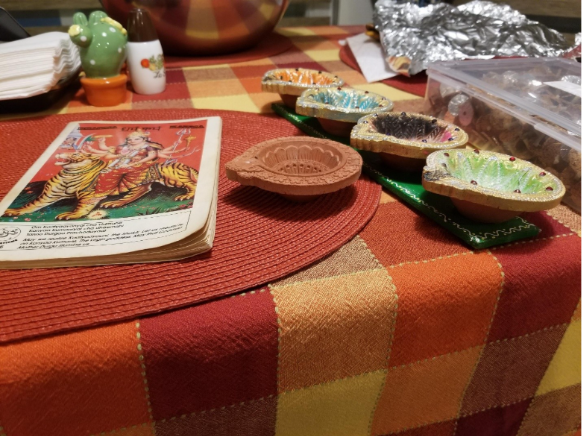
When I finally got to step back inside, I was moving things from my grandma’s puja room into the living room, including the diyas, wicks, statues, and the book that contains the Lakshmi puja.
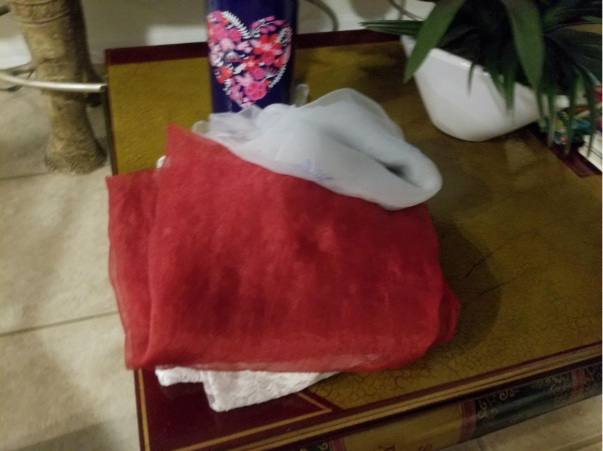
I also washed and trimmed flowers for the puja and chose a red urni to match my outfit and cover my head during the ceremony.
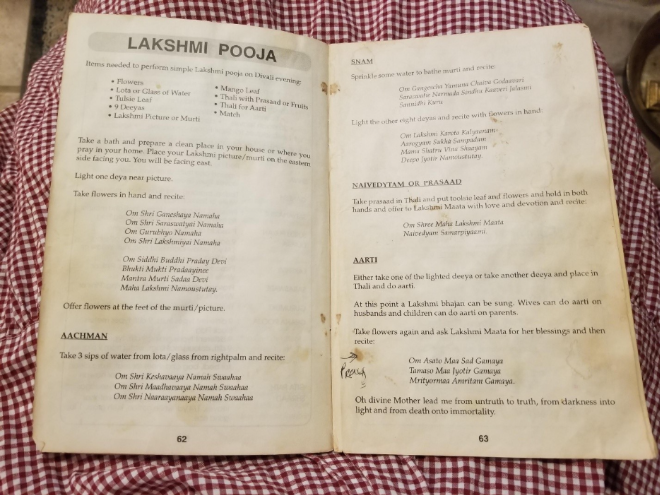
The Lakshmi puja is the ceremony that we do each year, which is usually co-led by my mom and my aunt. This book was brought by my grandparents from Trinidad, and we have been using it for years.
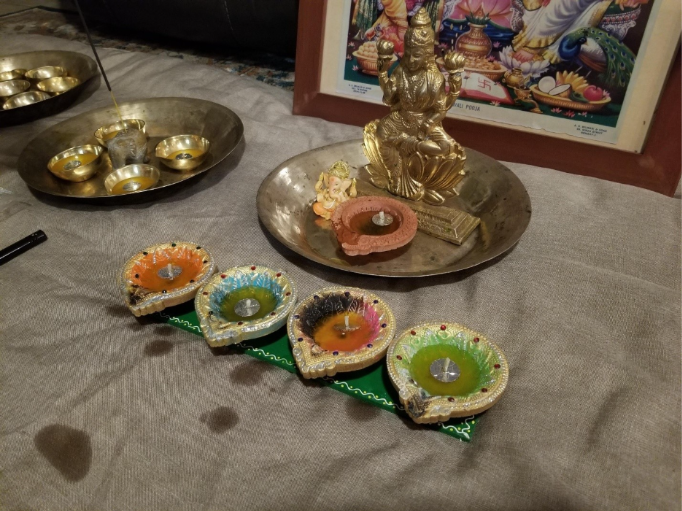
Diyas, one of the most important parts of Diwali, are oil lamps made by filling a small brass or clay dish with ghee and a wick, then lighting it. These were our diyas before we lit them.
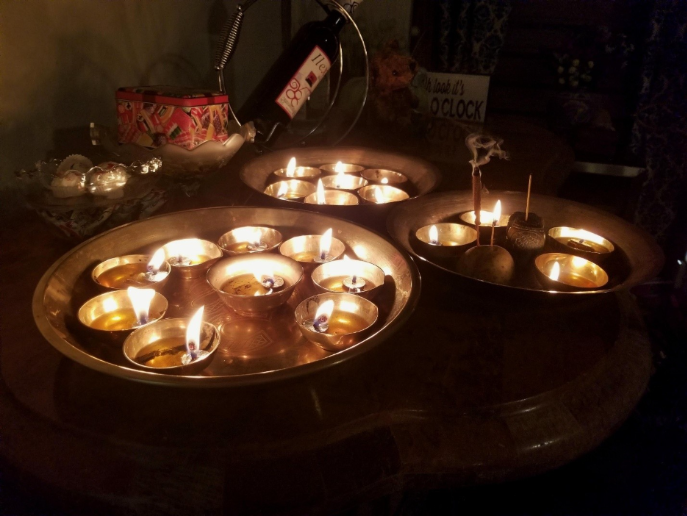
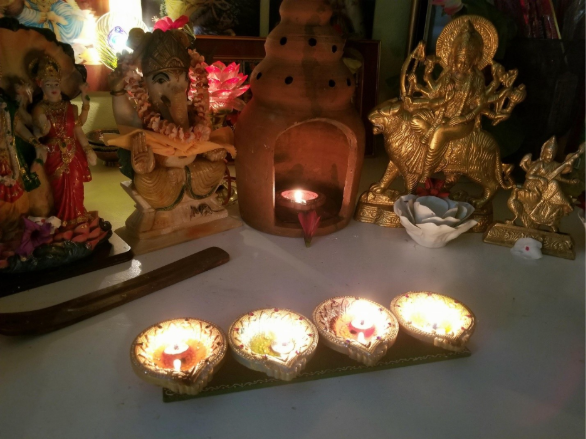
And these were our diyas after we finished the puja, lit and ready to be placed in each room in the house. They can get really hot, but if you hold the edges and move quickly, you will be fine.
Once the puja was finished, we ate sweets. There was no gulab jamun this year, which is my personal favorite, but we did have fruit and the parsad I made. Everyone said it turned out really good, and I may be the designated parsad lady from now on.
I hope you enjoyed this little showcase of what Diwali looks like for my family. For those that also celebrate, I hope you had a good Diwali with plenty of family time, yummy food, and reflection.
Happy Diwali!
The opinions on this page do not necessarily reflect those of The Sandspur or Rollins College. Have any additional tips or opinions? Send us your response. We want to hear your voice.


Comments are closed.