
All eyes are glued to the 100-foot LED screen, and all of the sudden, the U.S. scores. The building erupts in cheers. High-fives from strangers, drinks spilling from excitement, hugs with the person next to you. “Free Bird” by Lynyrd Skynyrd is blasting through the speakers while an image of a bald eagle soars across the screens. It is electric. And it unites us.
I would not necessarily call myself a soccer fan. I can appreciate the sport, but I was not the person in the room who could break down every play or name every player on the field. Yet, standing in the middle of that crowd at Texas Live, I found myself caught up in something bigger than the game. I was celebrating alongside people I had never met, all sharing the same excitement over one moment. It made me realize that sometimes, the connection sports create has very little to do with how much you know about the game.
That feeling is not limited to a World Cup watch party. We have seen it in the stands of international NFL games, where fans show up wearing every jersey imaginable: Baltimore Ravens, Denver Broncos, Dallas Cowboys, Jacksonville Jaguars, and more. The teams might not even be playing that day, but their fans are still there, representing the teams they have come to love. Whether someone has followed the NFL for decades or is just beginning to understand the game, they can find a place in that crowd. Different teams, different backgrounds, but a shared appreciation for the experience.
This year, the NFL will set a record with nine international regular-season games spanning seven countries and four continents. Safe to say, the NFL is growing, and so is its fan base.
The NFL’s international growth reflects something bigger than a league trying to reach new markets. It shows how a sport can travel beyond its original borders and become part of someone else’s community. A fan in London might wear a Dallas Cowboys jersey, someone in Germany might plan their Sunday around an NFL kickoff, and a group of strangers might gather in a sports bar thousands of miles from the nearest NFL stadium. They may never step foot inside the stadium of the team they support, but they can still feel connected to it, and to one another.
American football is not the only sport bringing people together across borders. Soccer has long been a global game, and the FIFA World Cup is perhaps one of the clearest examples of its unifying power. Hosted across the United States, Canada, and Mexico in 2026, the tournament brings together nations, cultures, and fans from around the world. For a few weeks, cities became gathering places for people who might otherwise never cross paths, all connected by their love for the game and the pride they have in representing their countries.
But sometimes, the impact of an international sporting event reaches far beyond the stadium.
In a June 2026 story for The Philadelphia Inquirer, reporter Alex Coffey profiled four young Frenchmen who traveled to Philadelphia for the World Cup after saving for three years to make the trip possible. While soccer brought them to the United States, their experience quickly became about much more than the matches. They explored the city, interacted with locals, experienced American culture, and even found themselves discussing the Philadelphia Eagles with residents. By the end of their trip, they were already thinking about returning to catch an Eagles game.
Their experience is a reminder that sports can introduce people to much more than just a game. Soccer brought them to Philadelphia, but their time there introduced them to a different culture, a new city, and another sport. They arrived as French soccer fans and left with an interest in American football and a connection to a city thousands of miles from home.
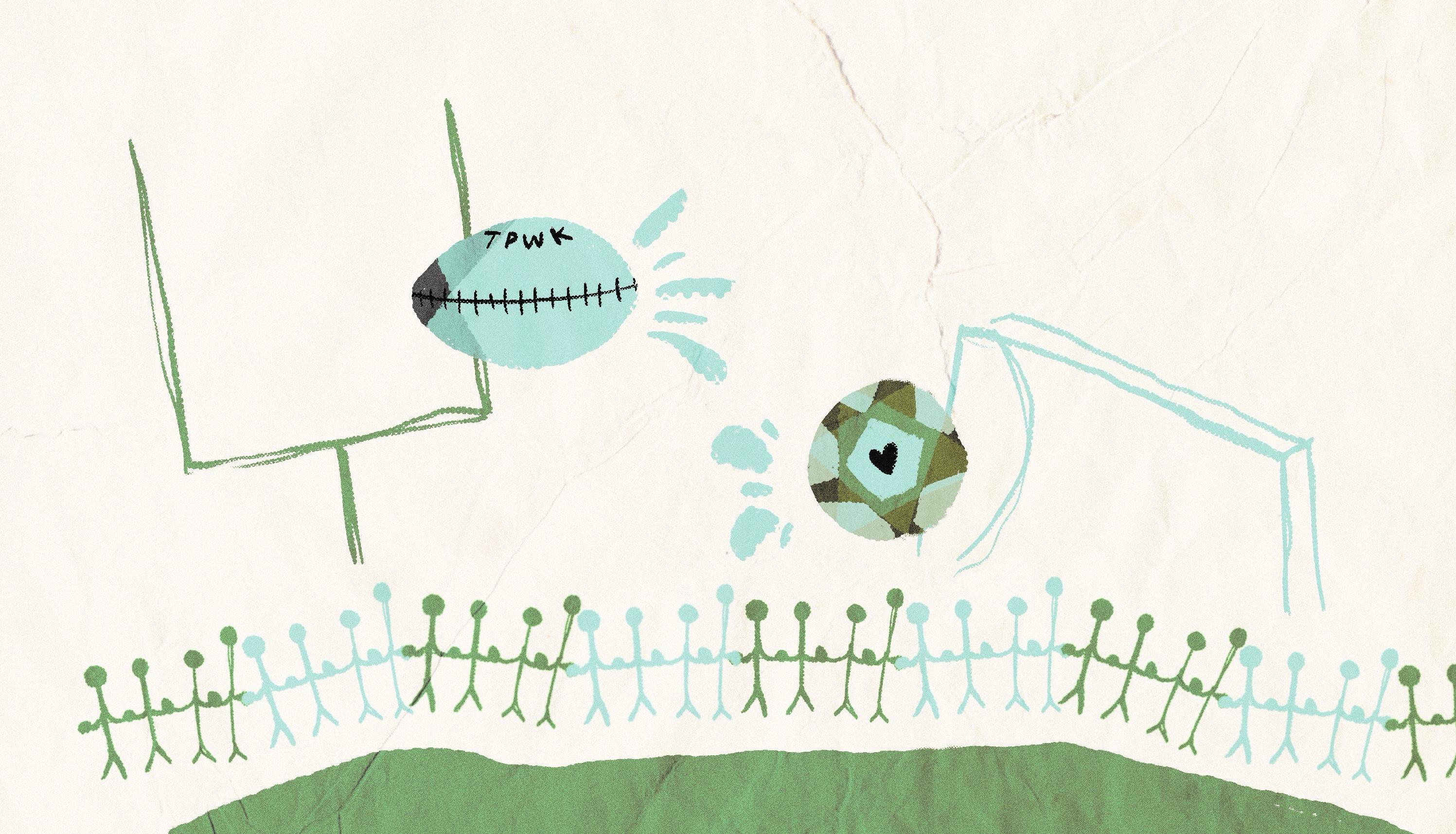
It is easy to think of sports as something that divides us. Rivalries, competition, and opposing fan bases are part of what makes sports exciting. But there is another side to it. Sports create a shared identity among people who may have very little else in common. You do not have to speak the same language to understand the excitement of a last-minute goal or a game-winning touchdown. You do not have to come from the same country to celebrate the same moment.
In a world where differences in politics, culture, and background can often feel like dividing lines, sports offer an opportunity to find common ground. They give people a reason to travel, meet strangers, experience new cultures, and become part of something bigger than themselves. They do not erase those differences or solve the world’s problems, but they can create moments when those differences do not matter quite as much.
As the NFL continues to expand across borders and the world’s biggest sporting events bring nations together, the reach of sports will continue to grow. But perhaps their greatest impact is not measured by ticket sales, television ratings, or the number of countries on a schedule. It is measured in the moments when people who have little else in common find something to celebrate together.
In a divided world, we might not always agree on much. But sometimes, all it takes is one goal, one touchdown or one room full of cheering strangers to remind us that we still have something in common.




Comments are closed.