
From Arch Manning to Bill Belichick, sports media has been enamored by the number of high-profile athletes and coaches that come from famous NFL families or dynasties. With the ever-shifting landscape of NIL (the new Name, Image, and Likeness agreement that allows athletes to be paid) and the modern era of college athletes being paid and treated as professionals, more individuals historically drawn to the NFL have gained an interest in college sports.
Arch Manning has just begun his sophomore season at the University of Texas. Nephew of football legends Peyton and Eli Manning, Arch has had a bullseye on his back ever since he started playing quarterback. While the Heisman hopeful faces constant media scrutiny, he also reaps plenty of benefits from being a Manning. As a kid who was not even the starter on last year’s team, Arch has been presented this season as a top Heisman candidate and a potential number one draft pick. While most of this hype seems to be deserved, it is hard to tell if a non-Manning would receive the same attention. The New York Post reported that Arch’s NIL evaluation is around $6.8 million, making him the highest paid NCAA athlete by over two million dollars. Other athletes who are much older and bring in more quarterback experience, like Carson Beck or Cade Klubnik, cannot land NIL deals anywhere close to his value, as there is a certain price tag that has been built around the Manning last name. With the importance of having strong NIL funds and being a profitable football program, it is clear why Arch brings in such a big check; people believe the combination of his last name and performance on the field can be a significant source of revenue for the university.
Shedeur Sanders was recently drafted to play in the NFL for the Cleveland Browns. Prior, he was a star quarterback at Colorado University under big name head coach and his dad, Deion Sanders. Shedeur began his college career following his father to Jackson State, a small HBCU borderline unknown before Sanders’ arrival. The Sanders’ had lots of success at JSU, with Shedeur going 23-3 as the starting quarterback gaining the attention of the national media and landing the elder Sanders a head coaching job at a struggling Colorado University. Deion brought Shedeur and one of his other sons, Shilo, with him to Colorado, and the country was obsessed with their story. Shedeur became the first college football athlete to sign an NIL deal with Nike and amassed an estimated NIL value of over 6 million by the end of his college career. While the football team never quite met expectations, both Sanders sons signed NFL contracts, and Deion continues to run the program under a lucrative contract. It is hard to know if it would have been so popular if they had a different last name.
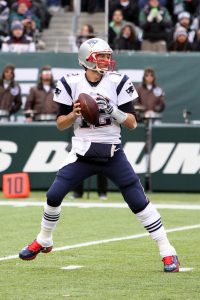
Bill Belichick has the most super bowl wins of any NFL head coach, leading Tom Brady and the Patriots to six championships over his career. After stalling out in the post Tom Brady years, Belichick left the NFL and took a head coaching job at the University of North Carolina. A program full of historic head football coaches, the hiring of Belichick sent shockwaves around the sports world. What was just a very average football program has now been elevated to primetime games on ESPN and constant attention with the hiring of one person. However, the Tar Heels got off to an awful start to the season, getting blown out by TCU but bouncing back to be 2-1. If any regular coach were hired, the fan base and media would already be complaining after a week one blow out; yet since it is Belichick the program still receives lots of media time and attention. While Belichick’s NFL resume should allow him to receive time and patience, it has been over five years since he was a part of a successful team.
So, is the flooding of college football with NFL names a good problem or a bad one? While more money and attention are pulled into the game with the increased exposure, purists could argue that there has been a loss of team pride and loyalty with the boom of NIL money and the transfer portal. At the end of the day, business is booming more than ever and the sport we all love is still being played, so how can anyone argue and be displeased with the ever-increasing popularity of the game?









Comments are closed.